

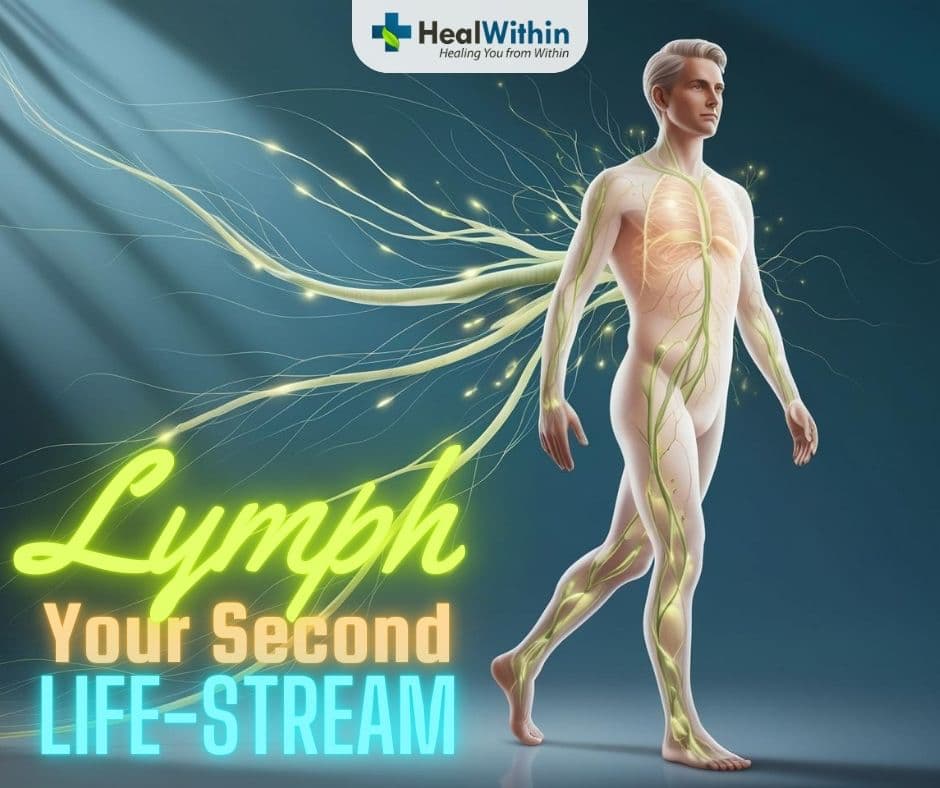
Why do certain individuals find themselves constantly fighting illness while others rarely get sick? Why do some people experience persistent swelling, frequent infections, or unexplained fatigue? Could the answer lie in a crucial but often overlooked system in your body?
The lymphatic system operates as your body’s second circulatory system, working tirelessly behind the scenes to remove cellular waste, fight infections, and maintain proper fluid balance. Despite its critical importance, it receives far less attention than the blood circulatory system in conventional medical discussions.
Understanding and supporting this remarkable network is essential for healing from chronic disease and maintaining vibrant health. When your lymphatic system functions optimally, it provides the foundation for your body’s natural healing processes to work efficiently.
What Exactly Is Your Lymphatic System?
SYSTEM STRUCTURE:
The lymphatic system consists of several key components working together as your body’s drainage and defense network:
- Lymph vessels: These thin-walled tubes form an extensive network throughout your body, collecting excess fluid and waste products from tissues and transporting them toward the heart.
- Lymph nodes: Small bean-shaped structures clustered along lymphatic vessels act as filtering stations, trapping bacteria, viruses, cancer cells, and other harmful substances before they can spread.
- Lymphatic organs: Your spleen, thymus, tonsils, and adenoids are specialized tissues that produce or store immune cells, helping your body recognize and fight infections.
FUNCTIONAL MECHANICS:
Your lymphatic system operates as a one-way drainage system with remarkable efficiency:
- Collection process: Tiny lymphatic capillaries gather excess fluid that leaks from blood vessels during normal circulation, preventing harmful tissue swelling.
- Filtration mechanism: As lymph flows through nodes, specialized white blood cells examine it for threats, mounting immune responses against any detected pathogens or abnormal cells.
- Return to circulation: After filtering, cleansed lymph eventually rejoins your bloodstream near your heart, maintaining proper fluid balance throughout your body.
COMPARISON WITH BLOOD CIRCULATION:
While working alongside your blood circulation, your lymphatic system has distinct characteristics:
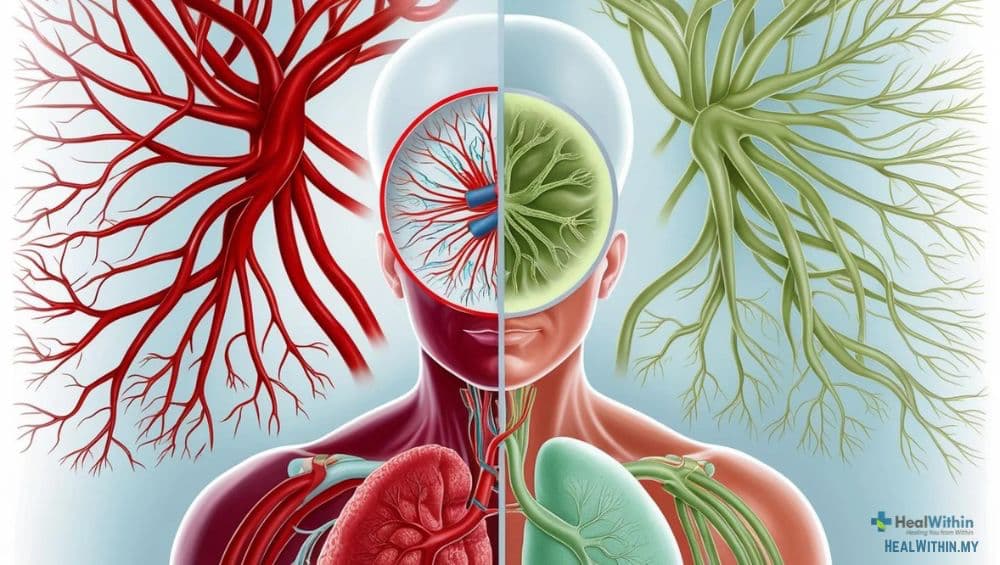
- No central pump: Unlike your heart-driven blood circulation, lymph moves primarily through muscle contractions, breathing, and physical movement – which is why exercise is so important.
- Unidirectional flow: Blood circulates continuously in a loop, while lymph flows only toward your heart through progressively larger vessels before returning to your bloodstream.
- Composition differences: Blood delivers oxygen and nutrients to tissues, while lymph collects cellular waste, excess fluid, and immune cells that protect your body.
Why Is Your Lymphatic System Called "The Second Life-Stream"?
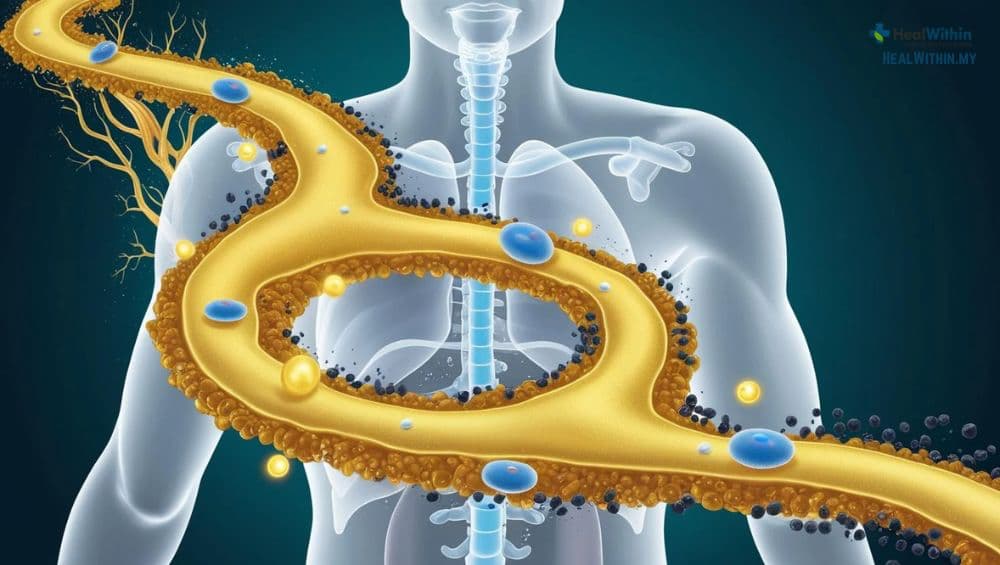
While your blood circulation rightfully receives much attention as your primary life-sustaining system, your lymphatic circulation deserves recognition as an equally important “second life-stream.” This parallel circulatory system manages crucial functions that blood vessels simply cannot perform on their own.
CRITICAL FUNCTIONS:
Your lymphatic system performs several essential roles that directly impact your health and vitality:
- Immune defense: Your lymph transports specialized white blood cells throughout your body, allowing them to patrol for pathogens and quickly respond to infections before they can take hold and spread.
- Fluid balance: Every day, nearly 3 liters of fluid leaks from your blood vessels into surrounding tissues; your lymphatic system collects this fluid and returns it to circulation, preventing dangerous swelling.
- Fat absorption: Special lymphatic vessels in your intestines called lacteals are uniquely equipped to absorb dietary fats and fat-soluble vitamins from your digestive tract, making them available for use by your cells.
DETOXIFICATION SUPPORT:
Your lymphatic system serves as your body’s primary waste management system:
- Cellular waste removal: As cells function and produce metabolic byproducts, your lymphatic system collects these waste materials that would become toxic if allowed to accumulate in your tissues.
- Toxin filtering: Environmental pollutants, heavy metals, and other harmful substances that enter your body are captured and filtered by your lymphatic system before they can cause widespread damage.
- Protein recovery: Vital proteins that leak from blood vessels are recovered by your lymphatic system and returned to circulation, preventing their wasteful loss and potential inflammatory damage in tissues.
OVERLOOKED IMPORTANCE:
Despite its importance, your lymphatic system rarely receives the attention it deserves:
- Invisible symptoms: Early lymphatic congestion often manifests as subtle fatigue, minor swelling, or slight immune weakness—symptoms easily attributed to other causes or simply ignored.
- Limited medical focus: Conventional medicine typically addresses lymphatic issues only when they become severe problems like lymphedema or lymphatic cancer, missing opportunities for preventive care.
- Complex self-regulation: Your lymphatic system’s remarkable ability to compensate for minor dysfunction means problems can develop gradually for years before becoming clinically significant and receiving attention.
What Determines Your Lymph System Unhealthy?
Your lymphatic system can be objectively classified as unhealthy when specific structural and functional abnormalities are present. These measurable changes in the system itself—rather than just their effects—provide clear criteria for determining lymphatic dysfunction.
STRUCTURAL ABNORMALITIES:
The physical architecture of your lymphatic system can develop several pathological changes:
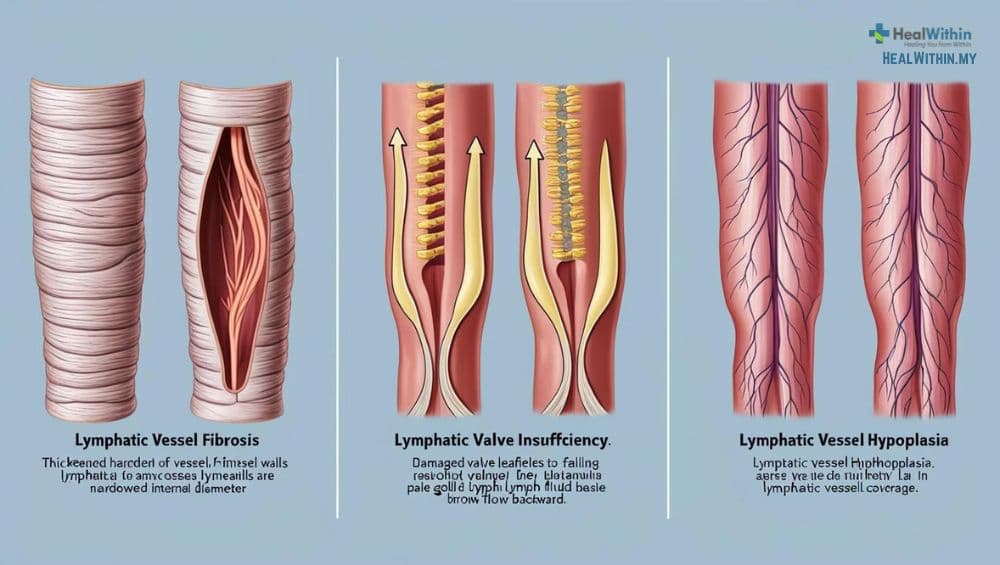
- Vessel hypoplasia: Underdeveloped or insufficient lymphatic vessels result in inadequate drainage capacity, creating areas of poor lymphatic coverage that cannot effectively clear interstitial fluid.
- Valve insufficiency: Damaged or malformed valves within lymphatic vessels fail to prevent backflow, allowing lymph fluid to move backwards instead of efficiently forward toward collection ducts.
- Vessel fibrosis: Hardened, scarred lymphatic vessel walls lose their normal elasticity and contractile properties, significantly reducing their ability to propel lymph and adapt to changing fluid loads.
FLOW ABNORMALITIES:
The movement of lymph itself provides objective measures of system health:
- Stasis: Ultrasound and specialized lymphatic imaging reveal stagnant lymph fluid that fails to progress through vessels at normal rates, indicating functional impairment of the transportation system.
- Reflux: Abnormal backward movement of lymph fluid against its proper directional flow demonstrates compromised valve function and disrupted normal circulation patterns.
- Dermal backflow: Imaging showing lymph fluid diverting into skin tissues rather than continuing through normal vessel pathways indicates significant vessel obstruction or dysfunction upstream.
FUNCTIONAL DEFICITS:
Measurable changes in how the system performs its essential tasks reveal unhealthy states:
- Reduced transport capacity: Quantitative lymphoscintigraphy showing decreased ability to clear radiotracer from tissues confirms objectively diminished lymphatic pumping and collection function.
- Collateral pathway formation: Development of abnormal secondary routes for lymph flow indicates the primary vessel pathways are obstructed or insufficient, representing a compensatory but pathological state.
- Altered node filtration: Changes in lymph node size, structure, or filtration efficiency—measurable through biopsy or specialized imaging—reveal compromised ability to perform immune surveillance and fluid processing.
How Does An Unhealthy Lymph System Contribute To Chronic Diseases?
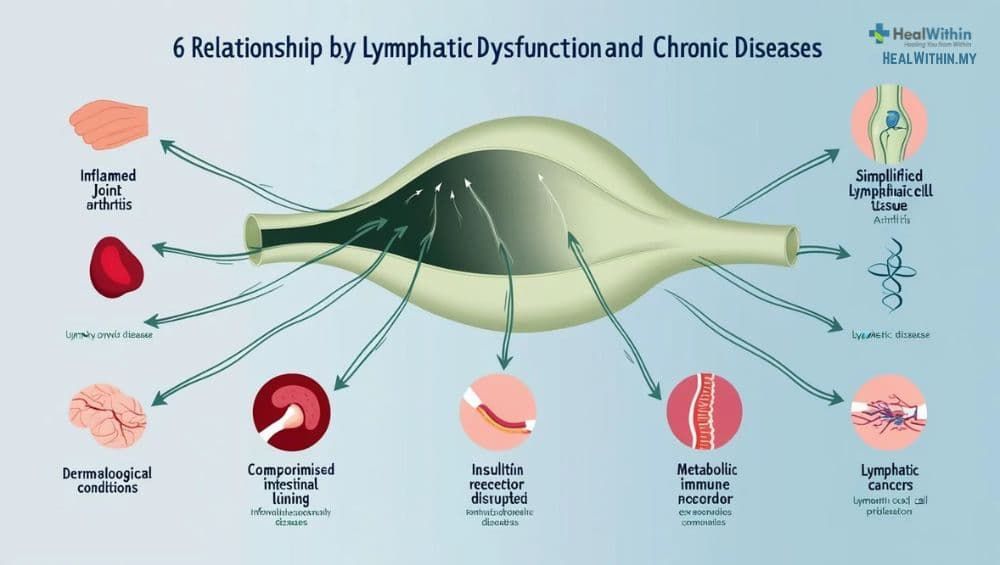
When your lymphatic system becomes compromised, the effects extend far beyond local swelling or discomfort. The systemic impact of lymphatic dysfunction creates conditions that foster the development and progression of numerous chronic diseases, making lymphatic health a critical but often overlooked factor in disease management.
INFLAMMATORY CONDITIONS:
Lymphatic dysfunction directly contributes to inflammatory disorders throughout the body:
- Autoimmune diseases: Impaired lymphatic clearance allows cellular debris and immune complexes to accumulate in tissues, potentially triggering abnormal immune responses against the body’s own cells.
- Inflammatory arthritis: Poor lymphatic drainage in joint spaces permits inflammatory compounds to remain concentrated around cartilage and synovial membranes, perpetuating joint destruction and pain.
- Skin conditions: Conditions like eczema, psoriasis, and chronic dermatitis often worsen when lymphatic congestion prevents effective removal of inflammatory mediators from dermal tissues.
METABOLIC DISRUPTIONS:
Your lymphatic system plays a surprising role in metabolic health and regulation:
- Insulin resistance: Lymphatic vessel dysfunction contributes to chronic low-grade inflammation in fat tissue, a key factor in developing insulin resistance and eventual type 2 diabetes.
- Lipid metabolism disorders: Compromised lymphatic function in intestinal lacteals impairs proper absorption and transport of dietary fats, contributing to dyslipidemia and metabolic syndrome.
- Obesity factors: Research shows bidirectional relationships between obesity and lymphatic dysfunction—excess adiposity impairs lymph flow, while lymphatic issues promote fat accumulation.
IMMUNE SYSTEM CONSEQUENCES:
Proper immune function depends heavily on lymphatic circulation and processing:
- Chronic infections: Sluggish lymphatic flow reduces immune cell circulation and antigen presentation, allowing persistent infections to establish footholds that the body struggles to eliminate.
- Allergic disorders: Dysfunctional lymphatic processing in lymph nodes can contribute to inappropriate immune reactions to harmless substances, manifesting as allergies and sensitivities.
- Cancer progression: Compromised lymphatic surveillance may allow cancer cells to evade detection, while altered lymphatic vessels around tumors can facilitate metastatic spread to distant sites.
How Does The Treatment In Heal Within Restore Health In The Lymph System?
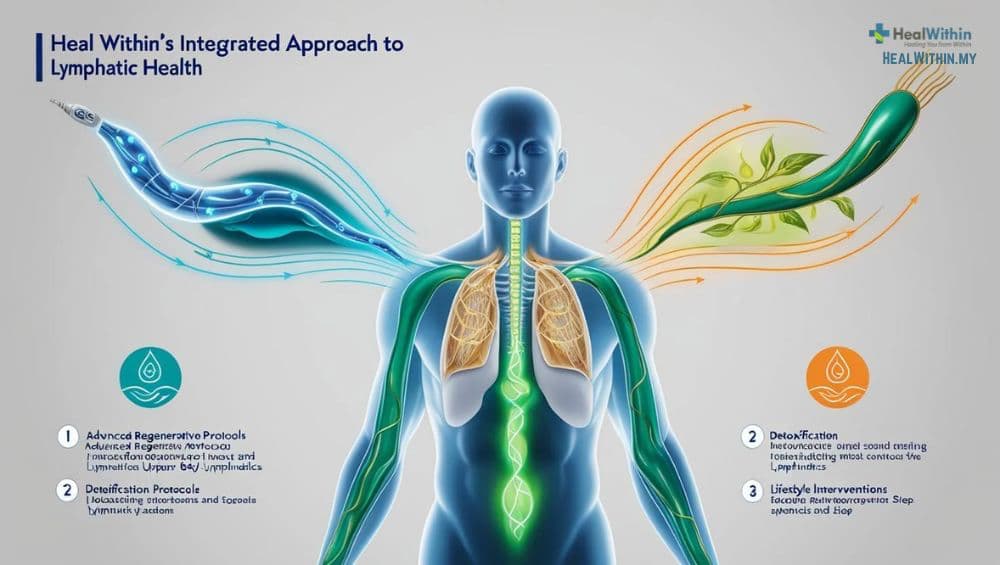
At Heal Within, we recognize that a properly functioning lymphatic system forms the foundation for overall health and healing. Our integrated and holistic approach specifically addresses lymphatic dysfunction as a critical component in treating chronic diseases, using multiple complementary therapies to restore optimal lymphatic health.
ADVANCED DETOXIFICATION PROTOCOLS:
Supporting your body’s natural detoxification pathways enhances lymphatic system function:
- Therapeutic chelation: By binding to heavy metals and environmental toxins in your bloodstream, chelation therapy reduces the toxic burden that your lymphatic system must process, allowing it to function more efficiently.
- Lymph-specific herbal therapy: Carefully selected botanical medicines with lymphagogue properties increase lymphatic vessel contractility and support node function, enhancing systemic drainage and detoxification.
- Strategic intermittent fasting: Properly structured fasting periods activate cellular autophagy (self-cleaning) mechanisms that complement lymphatic waste removal, reducing the overall toxic burden.
ADVANCED REGENERATIVE PROTOCOLS:
Our therapeutic approach includes regenerative methods that restore and enhance lymphatic function:
- Autohemotherapy: Using your own specially treated blood components to stimulate lymphatic vessel regeneration, this therapy enhances circulation and promotes healing of damaged lymphatic structures.
- Stem cell signaling: Targeted application of growth factors and signaling molecules that activate the body’s natural repair mechanisms for lymphatic vessels and improve overall system efficiency.
- Pulsed electromagnetic field therapy: Precisely calibrated electromagnetic frequencies that enhance lymphatic vessel contractility and promote cellular repair in lymphatic tissues throughout the body.
INTEGRATED LIFESTYLE MODIFICATION:
Long-term lymphatic health requires supportive daily practices:
- Targeted movement therapy: Customized exercise protocols emphasizing specific movements that maximize lymphatic flow through muscle contraction, breathing patterns, and positional changes.
- Anti-inflammatory nutrition: Personalized dietary plans rich in lymphatic-supporting compounds that reduce systemic inflammation while avoiding foods that contribute to lymphatic congestion.
- Hydration optimization: Precisely calculated water intake schedules and mineral balancing to maintain optimal lymph viscosity and ensure efficient flow throughout the lymphatic vessels.
Summary and Conclusion
Your lymphatic system truly represents a second life-stream that’s essential for maintaining health and supporting your body’s natural healing processes. Understanding this remarkable system provides valuable insights into many chronic health conditions and reveals important therapeutic approaches that are often overlooked in conventional care.
Key points to remember:
- Your lymphatic system consists of an extensive network of vessels, nodes, and organs that work together to drain excess fluid, transport immune cells, and filter toxins.
- As your second circulatory system, lymph performs vital functions including immune defense, waste removal, fluid balance, and nutrient transport.
- Lymphatic dysfunction can be identified through specific structural abnormalities, flow disturbances, and measurable functional deficits.
- An unhealthy lymphatic system contributes directly to inflammatory conditions, metabolic disruptions, and immune system dysfunction.
- Heal Within’s integrated approach combines specialized manual techniques, advanced detoxification protocols, and personalized lifestyle modifications to restore optimal lymphatic function.
At Heal Within, we recognize that addressing lymphatic health is not just about treating symptoms but about restoring a fundamental system that impacts every aspect of your wellbeing. When your lymphatic system functions properly, it provides the foundation for your body’s natural healing capabilities to work efficiently.
I encourage you to consider the state of your “second life-stream” as you work toward resolving chronic health issues. Through our integrated and holistic approach, we can help restore proper lymphatic function and support your journey back to vibrant health and vitality. Take that first step toward comprehensive healing by giving your lymphatic system the attention it truly deserves.