
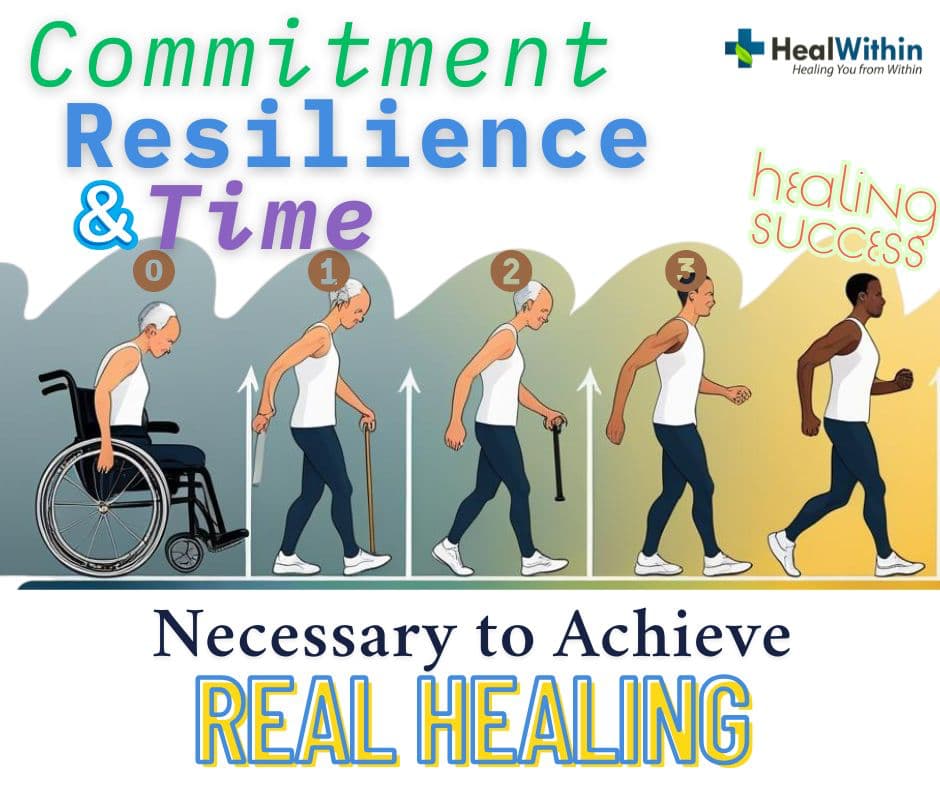
Why do we expect our bodies to heal overnight when it took years for disease to develop?
What if the very mindset of seeking instant results is actually sabotaging our journey to genuine wellness?
In our fast-paced world, we’ve been conditioned to believe that every problem has a quick solution. Pop a pill, feel better instantly. Take a supplement, transform your health overnight. But when it comes to chronic disease and lasting wellbeing, this approach not only fails—it often makes things worse. The truth is, your body didn’t become diseased in a day, and it won’t become truly healthy in a day either.
Real healing is like tending a garden. You can’t plant seeds today and expect a full harvest tomorrow. You need to prepare the soil, remove the weeds, provide consistent nourishment, and give time for deep roots to form. Your body operates on the same principle. When we work with 11 root causes of chronic disease—from toxin accumulation to mitochondrial dysfunction—we’re essentially rebuilding your health from the foundation up. This takes time, patience, and unwavering commitment, but the results are permanent transformation rather than temporary relief.
Why Do We Crave Instant Results When It Comes to Our Health?

Understanding our obsession with quick fixes is the first step toward embracing true healing. Our modern world has programmed us to expect immediate gratification, but this mindset works against the natural processes your body needs to recover from chronic disease.
MODERN SOCIETY'S INSTANT GRATIFICATION MINDSET
We live in an era where everything happens instantly—fast food, instant messaging, same-day delivery. This conditioning has deeply influenced how we approach health problems.
- Digital age expectations: We expect our bodies to respond like smartphones with instant updates, forgetting that biological systems operate on entirely different timelines requiring weeks or months for cellular changes.
- Consumer culture programming: Marketing messages promise “30-day transformations” and “instant relief,” creating unrealistic expectations that set patients up for disappointment when real healing takes longer.
- Impatience with natural processes: We’ve lost touch with nature’s rhythms, expecting our bodies to heal faster than a broken bone mends or a cut tissue repairs itself.
THE PHARMACEUTICAL INDUSTRY'S QUICK-FIX PROMISES
The conventional medical model has trained us to believe that every symptom requires immediate suppression rather than addressing underlying causes.
- Symptom masking mentality: Pharmaceutical drugs are designed to quickly suppress symptoms, creating the illusion of healing while root causes continue to damage your body underneath.
- One-pill-one-problem approach: This reductionist thinking ignores the interconnected nature of your body systems, leading to multiple medications that often create new problems while failing to solve the original ones.
- Emergency medicine mindset applied to chronic conditions: While life-saving in acute situations, the emergency room approach of immediate intervention doesn’t work for conditions that developed over years or decades.
MISUNDERSTANDING THE NATURE OF CHRONIC DISEASE
Most people don’t realize that chronic diseases are complex, multi-system breakdowns that require comprehensive restoration rather than quick patches.
- Iceberg principle ignored: Symptoms are just the tip of the iceberg—beneath lies years of accumulated toxins, nutrient deficiencies, and system dysfunctions that must be systematically addressed.
- Complexity underestimated: Chronic diseases involve disruptions in multiple body systems simultaneously, requiring integrated approaches that address inflammation, detoxification, cellular energy production, and hormonal balance together.
- Time investment misconception: People readily invest years in education or career development but resist dedicating months to rebuilding their health, not understanding that lasting wellness requires similar long-term commitment.
What Actually Happens Inside Your Body When Disease Develops?
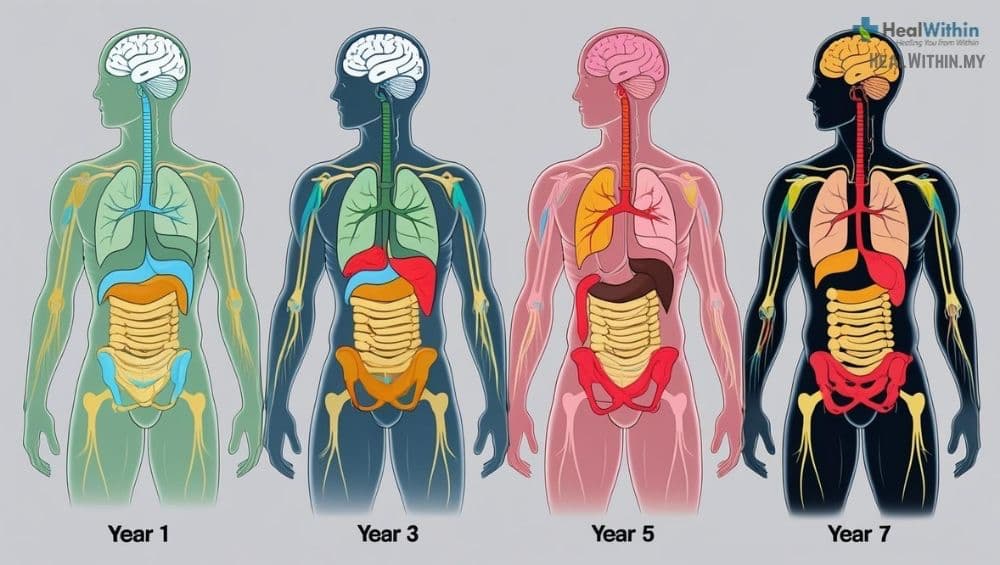
To understand why healing takes time, you must first grasp how chronic diseases actually develop in your body. Disease isn’t a sudden event—it’s a gradual process that unfolds over months or years, layer by layer.
THE GRADUAL ACCUMULATION OF ROOT CAUSES
Chronic disease develops through the slow buildup of multiple stressors that eventually overwhelm your body’s natural healing capacity.
- Toxin overload progression: Heavy metals, chemicals, and environmental toxins accumulate in your tissues over years, gradually disrupting cellular function until organs can no longer compensate for the damage.
- Nutrient depletion cascade: Poor dietary choices and soil depletion create deficiencies that compound over time, weakening your immune system and cellular repair mechanisms until disease becomes inevitable.
- Stress hormone imbalance: Chronic mental stress elevates cortisol levels for extended periods, eventually exhausting your adrenal glands and disrupting hormonal balance throughout your entire endocrine system.
HOW INFLAMMATION AND TOXICITY BUILD OVER TIME
Your body has remarkable tolerance, but chronic exposure to harmful factors creates a tipping point where health rapidly deteriorates.
- Silent inflammation spreads: Low-grade inflammation from poor diet, toxins, and stress slowly spreads throughout your body, damaging blood vessels, organs, and tissues without obvious symptoms initially.
- Cellular energy decline: Mitochondrial dysfunction develops gradually as toxins interfere with energy production, leaving cells unable to perform repair and detoxification functions effectively over time.
- Immune system exhaustion: Constant exposure to inflammatory triggers eventually overwhelms your immune system, leading to autoimmune reactions where your body begins attacking its own healthy tissues.
THE BODY'S COMPENSATORY MECHANISMS EVENTUALLY FAIL
Your body works incredibly hard to maintain balance, but these compensatory mechanisms mask problems until they suddenly break down.
- Organ system backup failure: Your liver, kidneys, and lymphatic system work overtime to handle toxin loads until they become overwhelmed and can no longer protect you from damage.
- Hormonal adaptation breakdown: Your endocrine system adapts to chronic stress by altering hormone production, but these adaptations eventually become maladaptive, creating new imbalances and symptoms.
- Metabolic flexibility loss: Your cells lose their ability to efficiently switch between different fuel sources, leading to blood sugar imbalances and metabolic dysfunction that affects every organ system.
Why Does Integrated and Holistic Healing Take Longer Than Conventional Treatment?
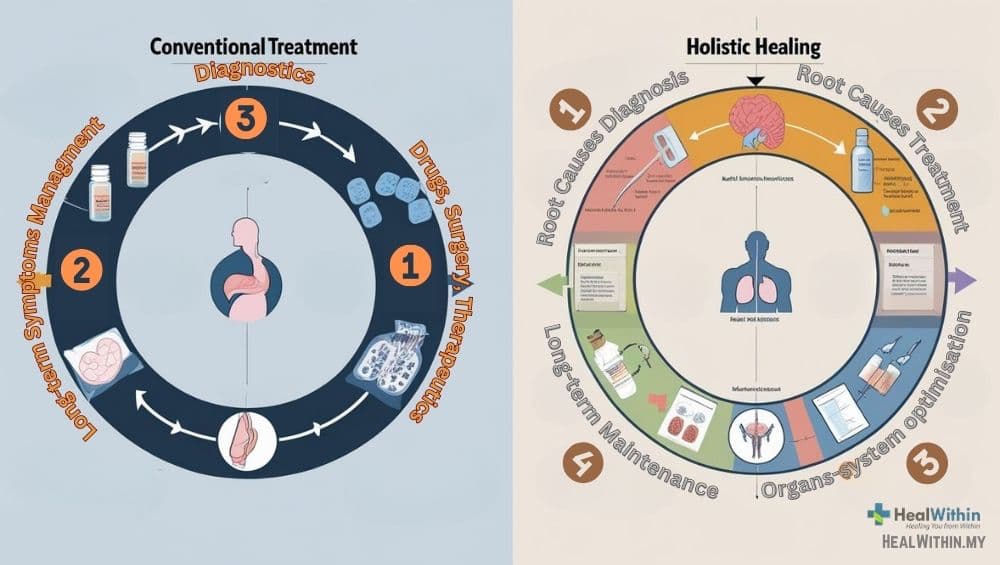
When you choose integrated and holistic healing, you’re choosing a fundamentally different approach that requires more time but delivers lasting results. Understanding why this process takes longer will help you appreciate the profound transformation happening in your body.
ADDRESSING MULTIPLE ROOT CAUSES SIMULTANEOUSLY
Unlike conventional medicine that treats one symptom at a time, integrated healing tackles all underlying problems together, which naturally requires more time and patience.
- Comprehensive system restoration: We must address all 11 root causes—toxins, nutrient deficiencies, poor oxygenation, mitochondrial dysfunction, stress, circulation issues, EMF disturbances, hormonal imbalances, gut dysbiosis, and sleep disruption—simultaneously for lasting results.
- Interconnected healing responses: When we treat multiple systems together, your body needs time to coordinate healing responses across different organs, creating temporary imbalances before achieving optimal function.
- Sequential treatment phases: Some therapies must be completed before others can begin effectively, such as detoxification before cellular regeneration, requiring carefully timed treatment protocols over extended periods.
CELLULAR REGENERATION AND DETOXIFICATION PROCESSES
True healing happens at the cellular level, where your body must rebuild damaged tissues and eliminate years of accumulated toxins through natural biological processes.
- Cellular turnover timelines: Different organs have varying regeneration cycles—liver cells renew every 150 days, red blood cells every 120 days, requiring months for complete tissue renewal.
- Detoxification pathway restoration: Your liver’s detoxification pathways must be gradually restored through specific nutrients and therapies, allowing safe elimination of stored toxins without overwhelming your system with harmful reactions.
- Mitochondrial repair processes: Restoring cellular energy production requires rebuilding damaged mitochondria through targeted nutrition and therapies, a process that takes 3-6 months for significant improvement in energy levels.
RESTORING OPTIMAL FUNCTION VERSUS MASKING SYMPTOMS
Integrated healing focuses on restoring your body’s natural ability to heal itself rather than suppressing symptoms, which requires patience as systems rebuild their capacity.
- Functional restoration timeline: Re-establishing normal organ function takes months as we provide nutrients, remove toxins, and support natural healing processes rather than forcing quick symptom suppression.
- Homeostatic rebalancing: Your body must gradually readjust its internal balance systems after years of compensation and adaptation, creating temporary fluctuations as optimal function returns.
- Sustainable health building: Unlike symptom suppression that provides immediate but temporary relief, building sustainable health requires establishing new cellular patterns and metabolic pathways that support long-term wellness.
What Should You Realistically Expect During Your Healing Journey?
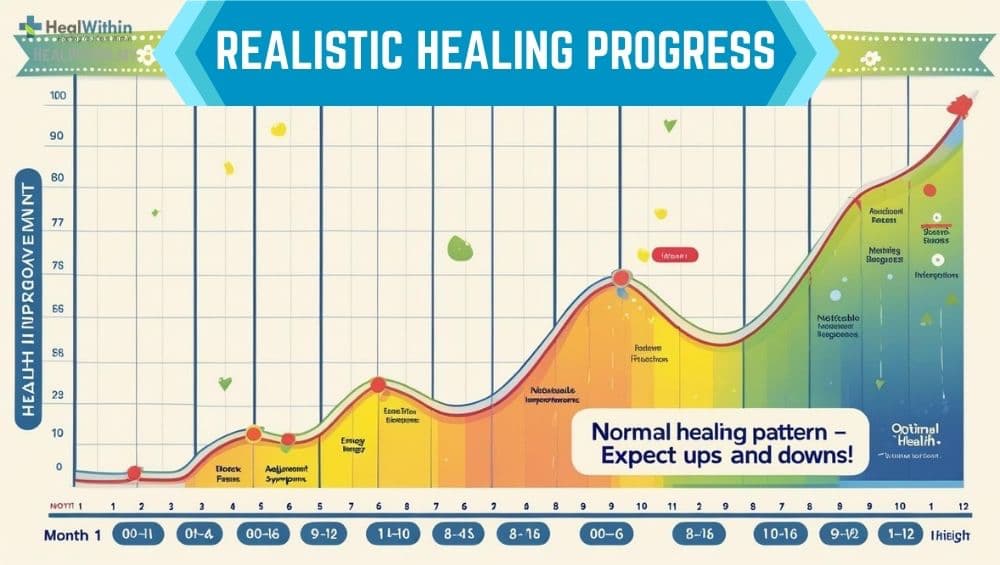
Understanding what to expect during your healing journey helps you stay committed when progress feels uncertain. Every patient’s timeline is unique, but there are predictable phases that most people experience on their path to lasting wellness.
THE INITIAL DETOXIFICATION AND ADJUSTMENT PHASE
The first phase of healing often involves temporary discomfort as your body begins eliminating toxins and adjusting to new treatments.
- Detox reaction symptoms: You may experience fatigue, headaches, or digestive changes as stored toxins mobilize from tissues—this is normal and indicates your detoxification pathways are beginning to function properly.
- Treatment adjustment period: Your body needs 2-4 weeks to adapt to new therapies like IV nutrition or chelation, during which you might feel different as cellular processes optimize.
- Energy fluctuation patterns: Initial energy dips are common as your body redirects resources toward healing and detoxification rather than maintaining previous compensatory mechanisms that masked underlying problems.
GRADUAL IMPROVEMENT MILESTONES AND SETBACKS
Real healing follows a wave-like pattern of progress rather than a straight upward line, with improvements building upon each other over time.
- Monthly improvement markers: Most patients notice subtle improvements in sleep quality, energy levels, or pain reduction within 4-6 weeks, with more significant changes appearing after 3-4 months.
- Healing crisis episodes: Temporary symptom flare-ups can occur as your body releases toxins or rebalances systems—these setbacks often precede significant breakthroughs in your healing journey.
- Non-linear progress patterns: Some weeks you’ll feel amazing while others may be challenging, but the overall trend moves toward better health when you track improvements over months rather than days.
LONG-TERM MAINTENANCE AND LIFESTYLE INTEGRATION
Lasting wellness requires ongoing commitment to the lifestyle changes and maintenance protocols that support your newly restored health.
- Lifestyle modification timeline: Establishing new eating habits, exercise routines, and stress management practices takes 3-6 months to become automatic behaviors that support your continued wellness.
- Maintenance protocol importance: Even after achieving optimal health, periodic detoxification, targeted nutrition, and monitoring are essential to prevent the return of root causes that created illness initially.
- Quality of life transformation: After 6-12 months of committed treatment, most patients experience profound improvements in energy, mental clarity, and overall vitality that make the initial investment worthwhile.
How Can You Stay Committed When Progress Feels Slow?

Maintaining commitment during your healing journey requires practical strategies and mindset shifts that help you recognize progress even when changes feel subtle or slow.
TRACKING SUBTLE IMPROVEMENTS AND BIOMARKERS
Real progress often happens in small increments that are easy to miss without proper tracking methods and objective measurements.
- Health journal documentation: Recording daily energy levels, sleep quality, pain levels, and mood changes helps you identify gradual improvements that might otherwise go unnoticed over weeks or months.
- Laboratory marker tracking: Regular blood tests, hormone panels, and toxicity assessments provide objective evidence of cellular healing and system restoration that may not yet translate into noticeable symptoms.
- Functional capacity measurements: Tracking improvements in exercise tolerance, mental clarity duration, or digestive comfort gives concrete evidence that your body’s systems are strengthening and healing progressively.
BUILDING A SUPPORT SYSTEM FOR YOUR HEALING JOURNEY
Surrounding yourself with understanding people and resources helps maintain motivation during challenging phases of your recovery process.
- Family education and involvement: Educating family members about your healing timeline helps them provide appropriate support and reduces pressure for quick results that can undermine your commitment.
- Patient community connections: Connecting with others who understand the integrated healing process provides encouragement, shared experiences, and realistic expectations about the journey ahead.
- Professional guidance consistency: Regular check-ins with your healthcare team ensures course corrections when needed and provides reassurance that slow progress is normal and expected.
SHIFTING FROM SYMPTOM-FOCUSED TO HEALTH-FOCUSED MINDSET
Changing how you measure success from symptom elimination to overall health building helps maintain perspective during your healing journey.
- Wellness indicators priority: Focusing on improvements in sleep quality, energy stability, mental clarity, and immune function rather than just symptom reduction reveals the deeper healing occurring.
- Long-term vision maintenance: Regularly visualizing your future healthy self and the quality of life you’re building helps sustain motivation when immediate results aren’t apparent.
- Process appreciation development: Learning to appreciate the healing process itself—detoxification, cellular repair, system rebalancing—helps you stay committed to treatments even when progress feels slow or uncertain.
Summary and Conclusion
Real healing from chronic disease requires time, patience, and commitment because your body must systematically address years of accumulated damage and dysfunction. The key points to remember include:
- Disease develops gradually through the accumulation of multiple root causes over months or years, requiring comprehensive restoration rather than quick fixes
- Integrated healing addresses all systems simultaneously, necessitating longer timelines as your body coordinates complex healing responses across multiple organs
- Cellular regeneration follows natural biological cycles, with different tissues requiring 3-6 months for complete renewal and optimal function
- Progress occurs in waves rather than straight lines, with temporary setbacks often preceding significant breakthroughs in your healing journey
- Lasting wellness demands lifestyle integration and ongoing maintenance to prevent the return of conditions that originally created illness.
The choice between quick symptom suppression and lasting health transformation is ultimately yours to make. When you understand that genuine healing requires the same patience and commitment you would invest in any worthwhile long-term goal, you position yourself for profound and permanent wellness rather than temporary relief.
Your body has an incredible capacity to heal and regenerate when given the proper support, nutrition, and time it needs. Trust the process, stay committed to your integrated healing protocol, and remember that every day of consistent treatment is an investment in the vibrant, healthy future you deserve. The time will pass regardless—you can either spend it building lasting wellness or continuing to manage symptoms that will inevitably worsen without addressing their root causes.