
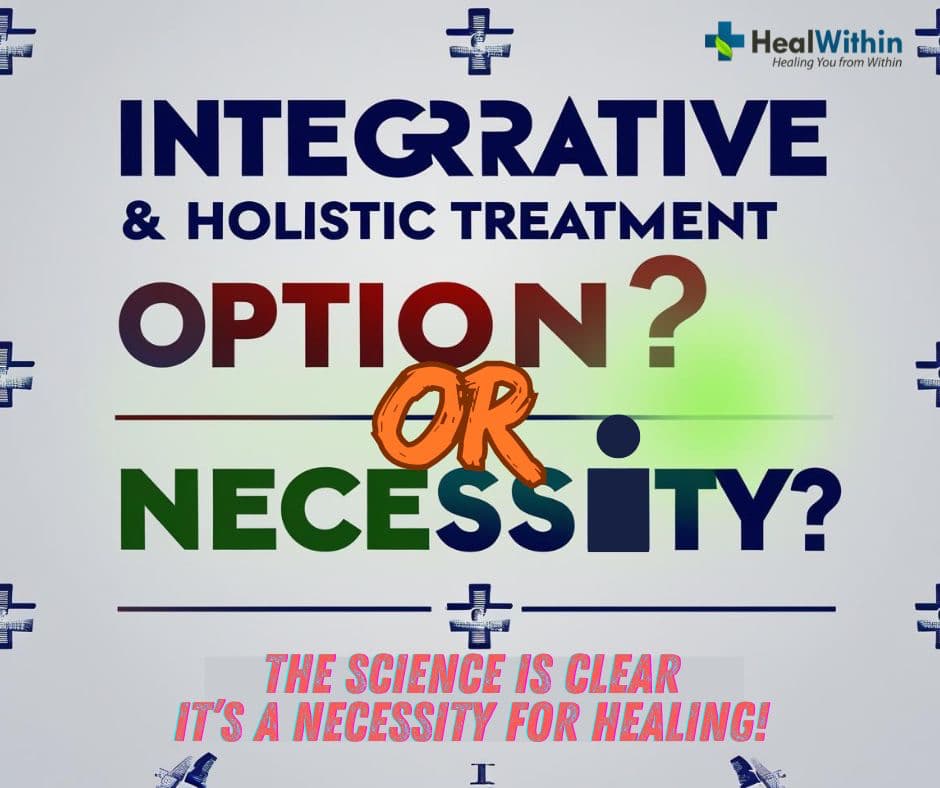
Why do so many chronic disease patients continue to suffer despite years of medical treatment?
Why do symptoms return even after following prescribed protocols religiously?
And, why do patients often feel like they’re managing diseases rather than actually healing from them?
After decades of treating thousands of chronic disease patients, I’ve witnessed a disturbing pattern: conventional medical approaches consistently fall short of delivering the complete healing that patients desperately need. While these approaches may provide temporary symptom relief, they rarely address the underlying dysfunction that keeps patients trapped in cycles of illness and dependency. The truth is that chronic diseases are complex, multi-factorial conditions that cannot be resolved through single-focus treatments.
What patients truly need—and what their bodies are crying out for—is an integrated and holistic approach that addresses not just their symptoms, but the multiple root causes driving their illness. This isn’t about choosing alternative medicine over conventional medicine, or about rejecting proven treatments. Instead, it’s about recognizing that chronic disease recovery requires a comprehensive strategy that treats the whole person, addresses all underlying causes simultaneously, and restores complete health rather than simply managing symptoms. This approach isn’t just beneficial—it’s absolutely necessary for anyone seeking true recovery from chronic illness.
The Human Body Functions as One Integrated System, Not Isolated Parts
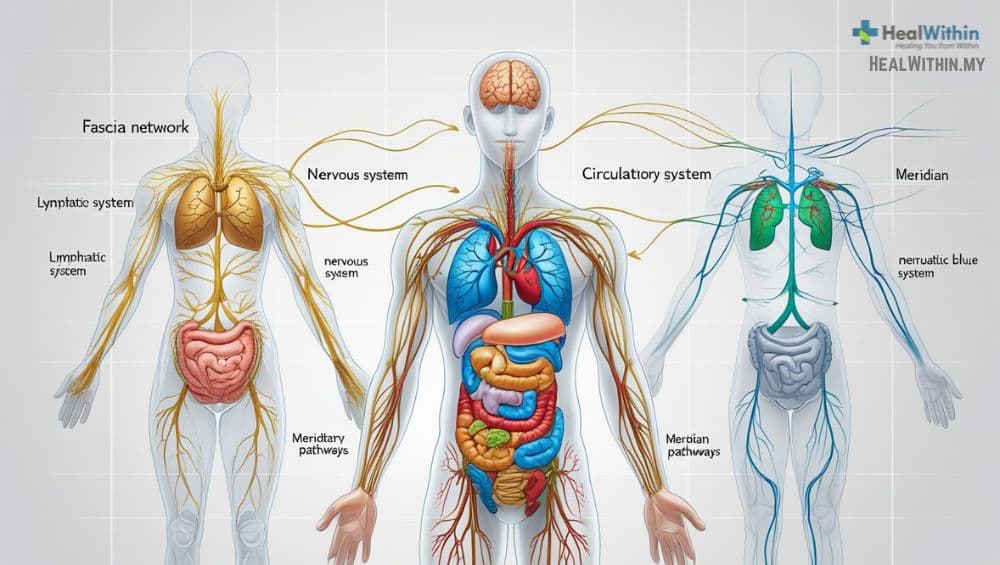
One of the most profound realizations in understanding chronic disease is recognizing that the human body operates as a single, interconnected system rather than a collection of independent organs. Every cell, tissue, and organ system communicates with and influences every other part through complex networks of blood vessels, lymphatic channels, nerve pathways, and energetic connections. When we truly grasp this fundamental principle, it becomes clear why treating individual diseases in isolation inevitably fails to restore complete health.
INTERCONNECTED ORGAN SYSTEMS REQUIRE WHOLE-BODY HEALING
The body’s organs don’t function as independent units but operate as integrated networks where the health of one system directly impacts the function of all others.
- Liver dysfunction affects brain and heart function – When liver detoxification pathways become overwhelmed, toxins circulate to the brain causing cognitive dysfunction and to the heart causing cardiovascular stress.
- Gut health determines immune system strength – The intestinal microbiome directly controls immune cell production and inflammatory responses throughout the entire body, making gut healing essential for systemic immunity.
- Adrenal stress disrupts multiple organ systems – Chronic stress hormones from overworked adrenals impair thyroid function, digestive processes, reproductive hormones, and cardiovascular health simultaneously.
- And a lot lot more intricate connections….
INTERCONNECTED CELLS REQUIRE WHOLE-BODY HEALING - BIOPHOTONS
At the cellular level, the body operates through sophisticated light-based communication systems that coordinate healing responses across all tissues simultaneously.
- Biophotonic communication coordinates cellular function – Cells emit and receive light frequencies that carry information between distant tissues, ensuring coordinated responses to healing interventions throughout the body.
- Coherent light fields optimize cellular repair – When biophotonic communication is clear and uninterrupted, cells can synchronize their repair and regeneration processes, creating amplified healing effects across multiple organ systems.
- Electromagnetic interference disrupts cellular coordination – Toxic metals, chemical pollutants, and electromagnetic field disturbances block biophotonic signals, preventing effective cellular communication and coordinated healing responses.
INTERCONNECTED SYSTEMIC NETWORKS REQUIRE WHOLE-BODY HEALING
The body’s organs don’t function independently—they work together through sophisticated communication networks that coordinate all physiological processes for optimal health.
- Fascia connects every structure in continuous communication – The fascial network creates a body-wide web that transmits mechanical, chemical, and electrical signals between all organs and systems.
- Lymphatic system links immune function throughout the body – Lymph vessels carry immune cells, toxins, and metabolic waste between organs, making localized immune dysfunction impossible.
- Meridian pathways conduct energy between organ systems – Traditional energy channels demonstrate how dysfunction in one organ immediately affects the energy flow and function of distant organs.
TREATING ONE DISEASE WHILE IGNORING OTHERS ENSURES CONTINUED SUFFERING
When we focus on treating a single disease while leaving other conditions unaddressed, we create an environment where healing cannot be sustained or completed.
- Untreated conditions drain healing resources from treated areas – The body’s limited healing capacity gets divided among multiple problems, preventing complete recovery from any single condition.
- Inflammatory cascades spread between organ systems – Inflammation in one organ triggers inflammatory responses in connected tissues, perpetuating disease throughout the body.
- Compensatory mechanisms create new dysfunctions – When one organ system is treated while others remain diseased, the body develops compensatory patterns that often create additional health problems.
SYSTEMIC HEALING ADDRESSES ALL CONDITIONS SIMULTANEOUSLY
True healing occurs when we support the body’s natural ability to restore balance and function across all organ systems at the same time.
- Holistic treatments benefit multiple conditions at once – Interventions that support overall health naturally improve multiple chronic conditions simultaneously rather than targeting just one.
- Restored communication networks amplify healing responses – When fascial, lymphatic, and energetic pathways function properly, healing signals reach every cell and organ effectively.
- Comprehensive wellness prevents disease recurrence – Addressing the whole person creates sustainable health that prevents treated conditions from returning and new diseases from developing.
Chronic Diseases Always Have Multiple Root Causes That Must Be Addressed
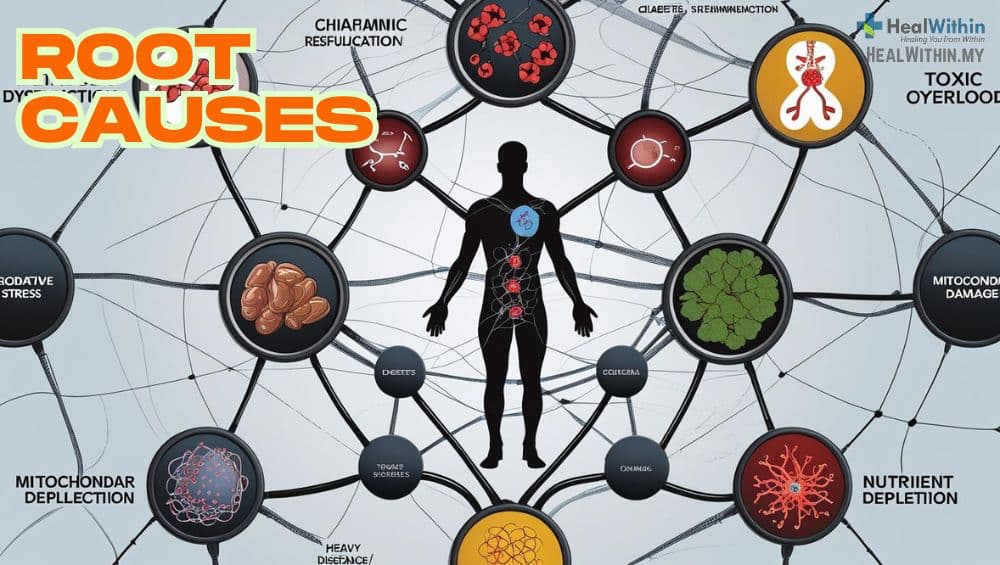
Understanding chronic disease requires us to look beyond surface symptoms and examine the complex web of underlying dysfunction that creates and sustains illness. In my extensive experience treating patients with conditions ranging from diabetes to autoimmune disorders, I’ve consistently found that chronic diseases never arise from a single cause. Instead, they develop when multiple root causes accumulate and overwhelm the body’s natural healing mechanisms, creating a perfect storm of systemic dysfunction.
METABOLIC DYSFUNCTION AND SYSTEMIC INFLAMMATION ARE FOUNDATIONAL
The foundation of most chronic diseases begins with metabolic dysfunction and systemic inflammation. When blood sugar regulation becomes impaired, it triggers a cascade of inflammatory responses throughout the body.
- Insulin resistance drives cellular dysfunction – Persistent high blood sugar damages cellular membranes and impairs mitochondrial function, creating energy deficits that affect every organ system.
- Chronic inflammation destroys healthy tissue – Inflammatory cytokines continuously attack organs, joints, blood vessels, and nervous system components, perpetuating disease progression.
- Hormonal imbalances amplify metabolic chaos – Disrupted insulin, cortisol, and thyroid hormones create feedback loops that worsen metabolic dysfunction and increase inflammation.
TOXIC OVERLOAD AND NUTRIENT DEPLETION COMPOUND THE PROBLEM
Modern life exposes us to unprecedented levels of toxins while simultaneously depleting our bodies of essential nutrients needed for detoxification and repair.
- Heavy metals accumulate in organs and tissues – Lead, mercury, cadmium, and other toxic metals interfere with enzymatic processes, hormone production, and cellular communication.
- Chemical toxins overwhelm detoxification pathways – Pesticides, plastics, and industrial chemicals burden the liver and kidneys, preventing effective elimination of waste products.
- Nutrient deficiencies impair healing mechanisms – Depleted soils and processed foods create widespread deficiencies in vitamins, minerals, and cofactors essential for cellular repair and immune function.
CELLULAR AND MITOCHONDRIAL DYSFUNCTION AFFECTS EVERY ORGAN
At the deepest level, chronic diseases manifest when our cellular powerhouses—the mitochondria—can no longer produce adequate energy for normal physiological functions.
- Poor oxygenation starves cells of vital energy – Compromised circulation and respiratory function limit oxygen delivery to tissues, forcing cells into anaerobic metabolism.
- Mitochondrial damage reduces energy production – Toxins, oxidative stress, and nutrient deficiencies damage mitochondrial DNA and proteins, creating cellular energy crises.
- Disrupted cellular communication causes system failures – When cells cannot communicate effectively due to membrane damage or electromagnetic interference, coordinated healing responses become impossible.
Conventional Medicine's Single-Focus Approach Ignores Many Underlying Root Causes
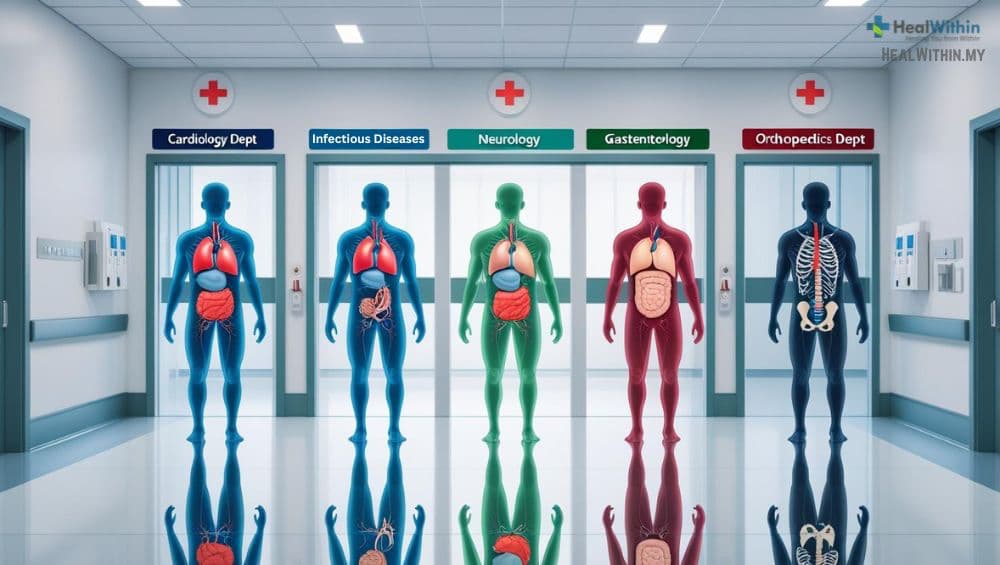
While conventional medicine excels at acute care and emergency interventions, its approach to chronic disease treatment reveals significant limitations that leave patients trapped in cycles of symptom management rather than experiencing true healing. The conventional model, designed around single-diagnosis protocols and standardized treatments, systematically overlooks the complex web of root causes that create and sustain chronic illness. This fundamental mismatch between treatment approach and disease complexity explains why so many patients continue suffering despite faithful adherence to prescribed protocols.
SYMPTOM MANAGEMENT VERSUS ROOT CAUSE IDENTIFICATION
Conventional medicine focuses primarily on identifying and suppressing symptoms rather than investigating and addressing the underlying dysfunctions that create those symptoms.
- Diagnostic codes require single-disease classifications – Medical billing and treatment protocols are built around isolated disease categories, preventing comprehensive assessment of interconnected health issues.
- Pharmaceutical interventions target symptom suppression – Most medications are designed to block or mask symptoms rather than restore the normal physiological processes that prevent those symptoms.
- Standard testing misses functional imbalances – Conventional lab ranges are designed to identify severe pathology, not the subtle dysfunctions that precede and drive chronic disease development.
STANDARD PROTOCOLS MISS INDIVIDUAL-SPECIFIC CAUSATIVE FACTORS
The one-size-fits-all approach of conventional medicine fails to account for the unique combination of root causes affecting each individual patient.
- Protocol-driven treatments ignore biochemical individuality – Standardized treatment guidelines cannot address the unique genetic, environmental, and lifestyle factors that contribute to each person’s illness.
- Limited assessment scope overlooks environmental toxins – Conventional evaluations rarely investigate heavy metal toxicity, chemical exposures, or electromagnetic field disturbances that commonly drive chronic disease.
- Narrow specialty focus fragments patient care – Specialists treating isolated organ systems miss the systemic imbalances and cross-system dysfunctions that require coordinated intervention.
PHARMACEUTICAL SOLUTIONS BYPASS FUNDAMENTAL HEALING MECHANISMS
The pharmaceutical approach to chronic disease treatment often interferes with the body’s natural healing processes while creating new problems through side effects and drug interactions.
- Medications suppress symptoms without restoring function – Drugs that block pain, inflammation, or other symptoms prevent the body from completing natural healing responses.
- Side effects create additional health burdens – Pharmaceutical interventions commonly cause new symptoms and organ dysfunction, requiring additional medications and complicating the healing process.
- Drug interactions overwhelm detoxification pathways – Multiple medications burden the liver and kidneys, impairing the body’s ability to eliminate toxins and metabolic waste products.
Only Integrated Treatment Can Address All Root Causes and Restore Complete Health
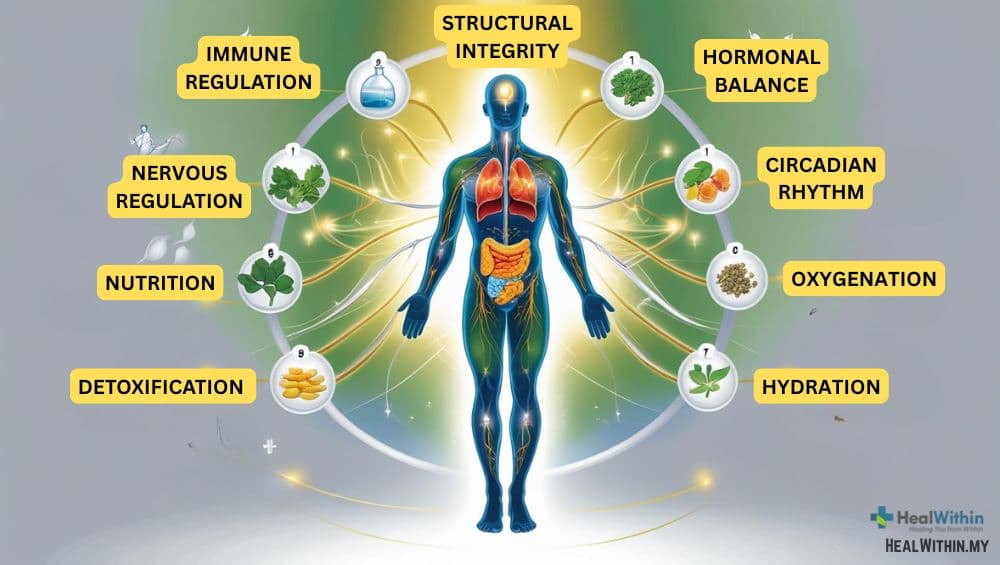
Having established that chronic diseases arise from multiple root causes and that the body functions as an integrated system, it becomes clear that effective treatment must match this complexity. Integrated treatment represents a paradigm shift from managing individual symptoms to orchestrating comprehensive healing across all body systems simultaneously. By strategically combining multiple therapeutic modalities, we can address the full spectrum of dysfunction while supporting the body’s innate healing mechanisms in ways that no single treatment approach could achieve.
STRATEGIC COMBINATION OF MODALITIES TARGETS MULTIPLE PATHWAYS
Integrated treatment protocols are carefully designed to address different aspects of dysfunction simultaneously, creating comprehensive healing responses throughout the body.
- Detoxification therapies eliminate accumulated toxins – Chelation, IV therapy, and targeted supplementation remove heavy metals and chemical toxins while supporting liver and kidney function.
- Nutritional interventions restore cellular function – IV nutrition, wholesome food therapy, and targeted supplementation provide the building blocks necessary for tissue repair and enzymatic processes.
- Oxygenation treatments improve cellular energy production – Hyperbaric oxygen, ozone therapy, and circulation enhancement deliver vital oxygen to starved tissues and support mitochondrial function.
SYNERGISTIC THERAPIES AMPLIFY HEALING BEYOND SINGLE TREATMENTS
When therapeutic modalities are combined strategically, they create synergistic effects that multiply healing potential far beyond what individual treatments could accomplish alone.
- Combined interventions accelerate toxin elimination – Detoxification protocols work more effectively when supported by lymphatic drainage, nutritional support, and circulation enhancement simultaneously.
- Metabolic restoration requires multiple pathway support – Blood sugar regulation, mitochondrial support, and hormonal balance must be addressed together to restore normal cellular metabolism effectively.
- Immune system optimization needs comprehensive approach – Gut health, nutrient status, toxin load, and stress management must all be optimized simultaneously for immune function restoration.
PERSONALIZED PROTOCOLS ENSURE COMPREHENSIVE RESTORATION
Every patient presents with a unique combination of root causes and system dysfunctions that require individualized treatment strategies for optimal healing outcomes.
- Comprehensive assessment identifies individual causative factors – Detailed evaluation of metabolic function, toxin burden, nutrient status, and system imbalances guides personalized protocol development.
- Flexible treatment adaptation responds to healing progress – Protocols are continuously adjusted based on patient response, ensuring optimal therapeutic benefit while minimizing treatment burden.
- Long-term maintenance prevents recurrence and optimizes wellness – Ongoing support through nutrition, lifestyle optimization, and periodic detoxification maintains healing gains and prevents disease recurrence.
This Comprehensive Approach Is Not Optional—It's the Only Path to True Recovery
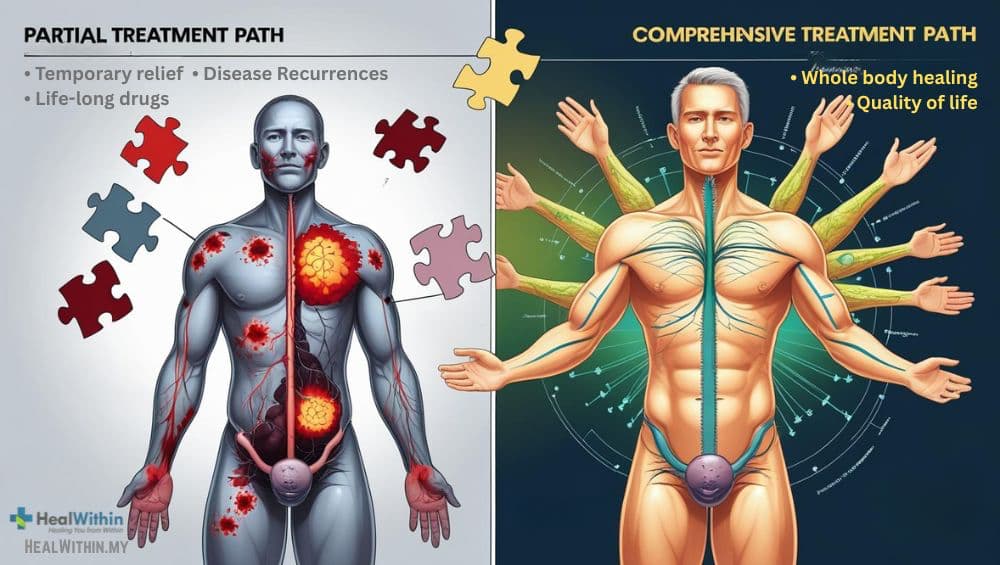
After examining the multi-factorial nature of chronic disease, the interconnected function of body systems, and the limitations of conventional single-focus treatments, we arrive at an inescapable conclusion: integrated and holistic treatment is not simply a preferred option among many—it is the only approach that can deliver complete, lasting recovery from chronic illness. The evidence from clinical practice, scientific research, and patient outcomes consistently demonstrates that partial treatments yield partial results, while comprehensive approaches restore complete health and vitality.
PARTIAL TREATMENTS DELIVER PARTIAL RESULTS AND ONGOING SUFFERING
Any treatment approach that fails to address the full spectrum of root causes will inevitably leave patients with incomplete healing and continued health challenges.
- Single-modality treatments create temporary improvements only – Addressing one root cause while ignoring others provides short-term symptom relief but allows untreated dysfunctions to perpetuate disease processes.
- Symptom suppression without root cause resolution ensures recurrence – Medications that mask symptoms without correcting underlying imbalances guarantee that diseases will return when treatments are discontinued.
- Incomplete healing leaves patients vulnerable to new conditions – When systemic dysfunction remains unaddressed, the body remains susceptible to developing additional chronic diseases over time.
SCIENTIFIC EVIDENCE PROVES INTEGRATED PROTOCOLS ARE SUPERIOR
Research consistently demonstrates that comprehensive treatment approaches achieve better outcomes than isolated interventions for chronic disease management and recovery.
- Combination therapies show enhanced effectiveness – Studies reveal that multiple therapeutic modalities working together produce results superior to the sum of individual treatments.
- Functional medicine approaches demonstrate lasting results – Clinical outcomes research shows that addressing root causes through integrated protocols creates sustainable health improvements over extended periods.
- Patient quality of life improves dramatically with comprehensive care – Measurements of energy, pain levels, cognitive function, and overall wellness show significant improvements when multiple systems are restored simultaneously.
LONG-TERM QUALITY OF LIFE DEPENDS ON ADDRESSING THE WHOLE PERSON
True health and lasting wellness can only be achieved when every aspect of human physiology is restored to optimal function through comprehensive intervention.
- Complete healing requires addressing all root causes simultaneously – Partial treatment approaches leave residual dysfunction that continues to compromise health and limit quality of life potential.
- Sustainable wellness needs ongoing whole-body support – Long-term health maintenance requires continued attention to nutrition, detoxification, stress management, and system optimization across all organ systems.
- Optimal aging and disease prevention depend on comprehensive health restoration – Only when all body systems function optimally can we achieve the vitality, mental clarity, and physical resilience necessary for healthy aging.
Summary and Conclusion
The evidence for why integrated and holistic treatment is necessary for chronic disease recovery is overwhelming and undeniable. Throughout this discussion, we’ve established several critical points that fundamentally change how we must approach chronic illness:
- Multiple Root Causes: Chronic diseases always arise from multiple root causes including metabolic dysfunction, toxic overload, nutrient depletion, and cellular dysfunction that must be addressed simultaneously
- Integrated Body Systems: The human body functions as one integrated system where all organs and systems communicate through fascial networks, lymphatic channels, and energetic pathways
- Conventional Medicine Limitations: Conventional medicine’s single-focus approach systematically ignores underlying root causes, focuses on symptom suppression rather than restoration, and creates pharmaceutical dependency without true healing
- Integrated Treatment Superiority: Only integrated treatment can strategically combine multiple modalities to create synergistic healing effects that address all dysfunction simultaneously
- Necessity Not Option: This comprehensive approach is not optional but represents the only path to complete, lasting recovery and optimal quality of life.
The choice before every chronic disease patient is clear: continue with partial treatments that deliver partial results and ongoing suffering, or embrace the comprehensive approach that addresses every aspect of dysfunction to restore complete health. Real healing requires time, resilience, and commitment to addressing the whole person rather than managing isolated symptoms.
The question is not whether you can afford to pursue integrated and holistic treatment—the question is whether you can afford not to. Your body’s cry for complete healing deserves nothing less than the comprehensive restoration that only integrated treatment can provide.