
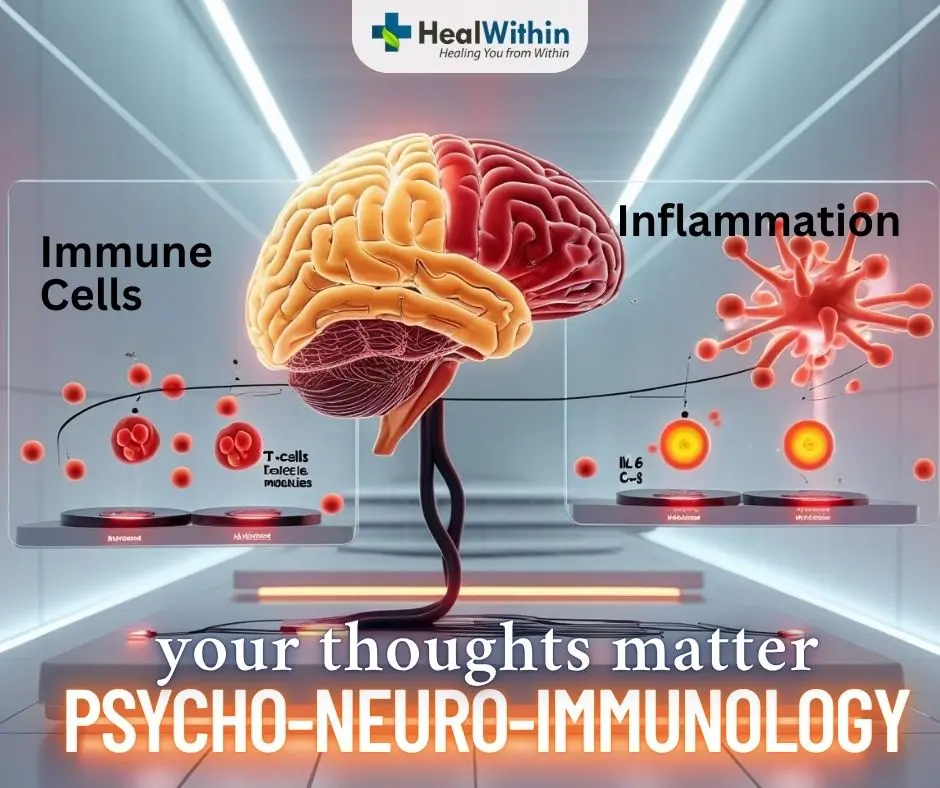
Could your thoughts and emotions be playing a more significant role in your immune system’s strength than you’ve ever imagined?
What if I told you that your mind and immune system are in constant communication, and this conversation directly determines your body’s ability to fight disease?
The emerging field of psychoneuroimmunology has revolutionized our understanding of health and disease. Scientific research now proves what integrative medicine has long recognized: your thoughts, emotions, and mental states don’t just affect how you feel—they directly influence your immune system’s function at the cellular level. This isn’t just theoretical knowledge; it’s practical science that can transform your approach to healing.
When we treat chronic diseases at Heal Within, we’ve observed that patients who address their emotional and mental health alongside physical treatments achieve dramatically better outcomes. This isn’t coincidence—it’s the natural result of understanding how your mind and immune system work together as one integrated healing system. Let me share with you the fascinating science behind this connection and how you can harness it for optimal health.
What Is Psychoneuroimmunology and Why Should You Care About It?
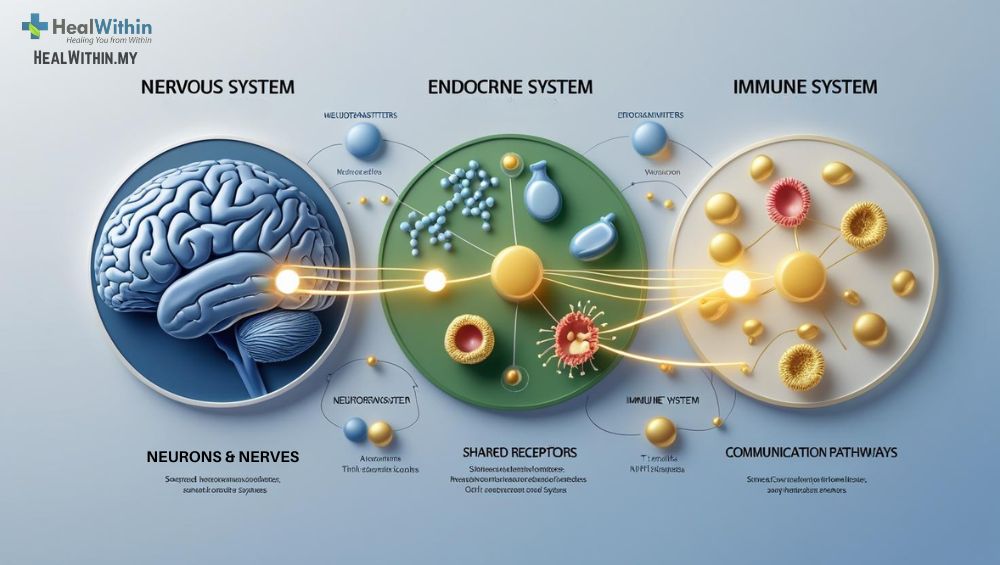
Psychoneuroimmunology represents one of the most significant breakthroughs in modern medicine, bridging the gap between conventional medicine’s compartmentalized approach and the holistic understanding that your body functions as one integrated system. This field studies the intricate connections between your psychological processes, nervous system, and immune function—connections that have profound implications for your health and healing.
THE SCIENCE BEHIND MIND-BODY CONNECTION
The mind-body connection isn’t just a philosophical concept—it’s measurable, quantifiable science. Research has identified specific molecular pathways through which your thoughts and emotions directly influence immune cell behavior.
- Bidirectional communication pathways: Your brain and immune system communicate through shared chemical messengers called cytokines, creating a two-way conversation that affects both mental state and immune function.
- Neurochemical mediators: Neurotransmitters like serotonin, dopamine, and norepinephrine directly bind to immune cell receptors, influencing their activity and response to threats.
- Measurable immune changes: Studies show that specific emotional states can increase or decrease immune markers within hours, proving the immediate impact of mental states on physical health.
HOW YOUR BRAIN COMMUNICATES WITH YOUR IMMUNE SYSTEM
Your brain doesn’t operate in isolation—it’s constantly sending signals to your immune system through multiple sophisticated communication networks that determine your body’s defense capabilities.
- Neural pathways: The sympathetic and parasympathetic nervous systems directly innervate immune organs like the spleen, thymus, and lymph nodes, controlling immune cell activation and circulation.
- Hormonal messaging: Your hypothalamic-pituitary-adrenal axis releases hormones like cortisol and adrenaline that dramatically alter immune function, either enhancing or suppressing your body’s defense mechanisms.
- Molecular signals: Neuropeptides produced in your brain travel through your bloodstream to immune cells, carrying specific instructions about how to respond to perceived threats or safety.
THE INTEGRATION OF NERVOUS, ENDOCRINE, AND IMMUNE SYSTEMS
What makes psychoneuroimmunology so powerful is understanding that these three systems—nervous, endocrine, and immune—function as one unified network rather than separate, independent systems.
- Shared chemical language: All three systems use identical molecules and receptors, allowing seamless communication and coordinated responses to both internal and external challenges.
- Synchronized responses: When your brain perceives stress or safety, it simultaneously triggers coordinated changes in hormone production, nerve activity, and immune cell behavior.
- Feedback loops: Each system influences the others in continuous feedback loops, meaning that improving one system automatically benefits the others—a principle we leverage in integrated treatment approaches.
How Do Negative Emotions and Chronic Stress Weaken Your Immune System?
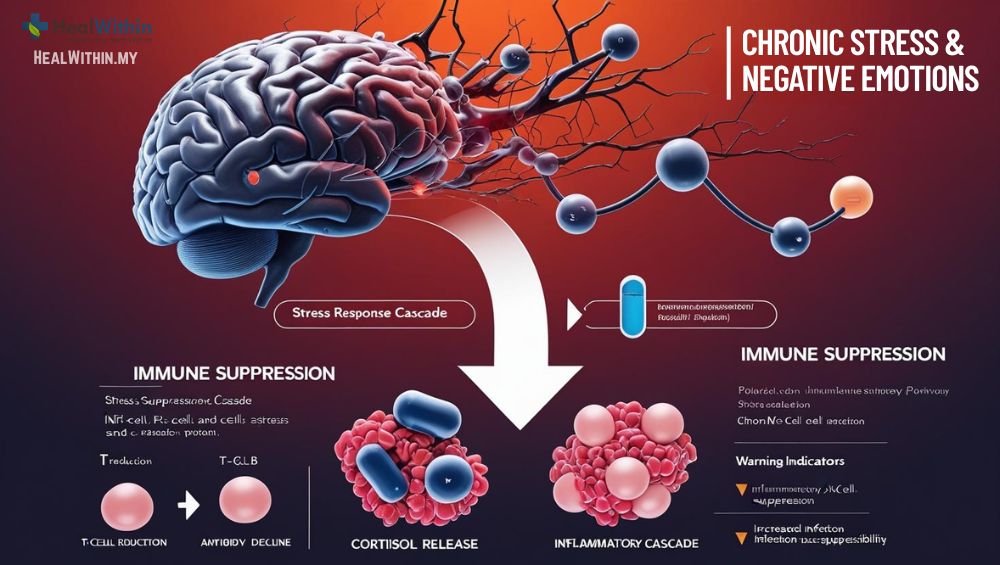
Understanding how negative emotions and chronic stress weaken your immune system is crucial for anyone dealing with chronic disease. When your mind is trapped in patterns of fear, anger, anxiety, or depression, it sends specific chemical signals throughout your body that systematically suppress your immune function. This isn’t just about feeling bad—it’s about your body’s actual ability to defend itself against disease.
CORTISOL: THE STRESS HORMONE THAT SUPPRESSES IMMUNITY
Cortisol, often called the “stress hormone,” is one of the most powerful immune suppressants your body produces. When chronic stress keeps cortisol levels elevated, it creates a cascade of immune dysfunction.
- T-cell suppression: Chronic cortisol elevation reduces the production and activity of T-cells, your body’s primary defense against infections and cancer cells.
- Inflammatory cytokine imbalance: High cortisol disrupts the balance between pro-inflammatory and anti-inflammatory cytokines, creating chronic low-grade inflammation that underlies most chronic diseases.
- Antibody production decline: Prolonged stress reduces your ability to produce antibodies, making you more susceptible to infections and reducing vaccine effectiveness.
INFLAMMATION CASCADES TRIGGERED BY EMOTIONAL STRESS
Negative emotions don’t just make you feel bad—they trigger specific inflammatory pathways that can damage healthy tissues and promote disease progression.
- NF-κB pathway activation: Chronic stress activates this master inflammatory switch, increasing production of inflammatory molecules that attack your own tissues and organs.
- Interleukin-6 elevation: This inflammatory cytokine increases dramatically during emotional stress, contributing to cardiovascular disease, diabetes, and autoimmune conditions.
- C-reactive protein increases: Emotional stress elevates this inflammatory marker, indicating systemic inflammation that damages blood vessels and organs throughout your body.
CHRONIC STRESS AND AUTOIMMUNE DISEASE DEVELOPMENT
The connection between chronic emotional stress and autoimmune diseases is particularly significant, as prolonged stress can literally cause your immune system to attack your own body.
- Molecular mimicry: Chronic stress creates inflammatory conditions that can trigger autoimmune responses, where your immune system mistakes healthy tissue for foreign invaders.
- Immune tolerance breakdown: Prolonged stress disrupts your immune system’s ability to distinguish between self and non-self, leading to autoimmune attacks on healthy organs.
- Gut barrier dysfunction: Stress hormones damage your intestinal lining, allowing toxins and undigested proteins to enter your bloodstream and trigger autoimmune responses.
Can Positive Emotions and Mental States Actually Strengthen Your Immune Response?
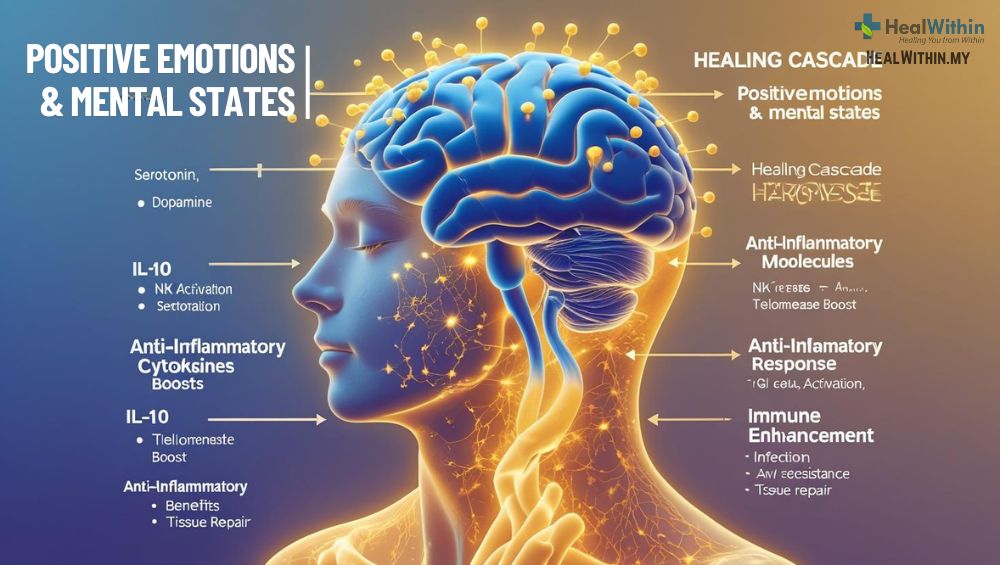
The flip side of the stress-immunity connection is equally powerful and far more encouraging. Just as negative emotions can weaken your immune system, positive emotions and mental states can measurably strengthen your body’s defense mechanisms. This isn’t wishful thinking—it’s documented science that shows how cultivating positive mental states can literally boost your immune function at the cellular level.
THE HEALING POWER OF POSITIVE EMOTIONS ON IMMUNE FUNCTION
Positive emotions like gratitude, joy, love, and hope trigger specific biochemical changes that enhance immune system performance. These aren’t just temporary mood boosts—they create lasting physiological improvements.
- Natural killer cell activation: Positive emotions increase the activity of NK cells, your body’s first line of defense against cancer cells and viral infections.
- Immunoglobulin A enhancement: Joy and laughter significantly boost IgA levels, the antibody that protects your mucous membranes from pathogens entering through your respiratory and digestive systems.
- Anti-inflammatory cytokine production: Positive emotional states increase production of anti-inflammatory molecules like IL-10, which help resolve inflammation and promote tissue healing.
MEDITATION AND MINDFULNESS: MEASURABLE IMMUNE BENEFITS
The practice of meditation and mindfulness creates quantifiable changes in immune function that researchers can measure in laboratory settings. These practices literally rewire your nervous system for better immune performance.
- Telomerase enzyme activation: Regular meditation increases telomerase activity, protecting your chromosomes from aging and maintaining immune cell longevity and effectiveness.
- Stress hormone reduction: Mindfulness practices significantly lower cortisol levels, removing the brake on immune function and allowing your defense systems to operate optimally.
- Vagal tone improvement: Meditation strengthens your vagus nerve function, enhancing the parasympathetic nervous system’s ability to coordinate immune responses and reduce inflammation.
SOCIAL CONNECTION AND COMMUNITY SUPPORT EFFECTS
Strong social connections and community support don’t just make you feel better emotionally—they create measurable improvements in immune function that can be life-changing for chronic disease patients.
- Oxytocin immune enhancement: Social bonding releases oxytocin, which directly stimulates immune cell production and enhances your body’s ability to fight infections and heal tissues.
- Inflammatory marker reduction: People with strong social support show lower levels of inflammatory markers like C-reactive protein, reducing their risk of cardiovascular disease and other chronic conditions.
- Stress buffer effect: Social connections provide a biological buffer against stress, preventing the immune-suppressing effects of cortisol and maintaining optimal immune surveillance.
What Are the Specific Mechanisms Through Which Thoughts Influence Immune Cells?
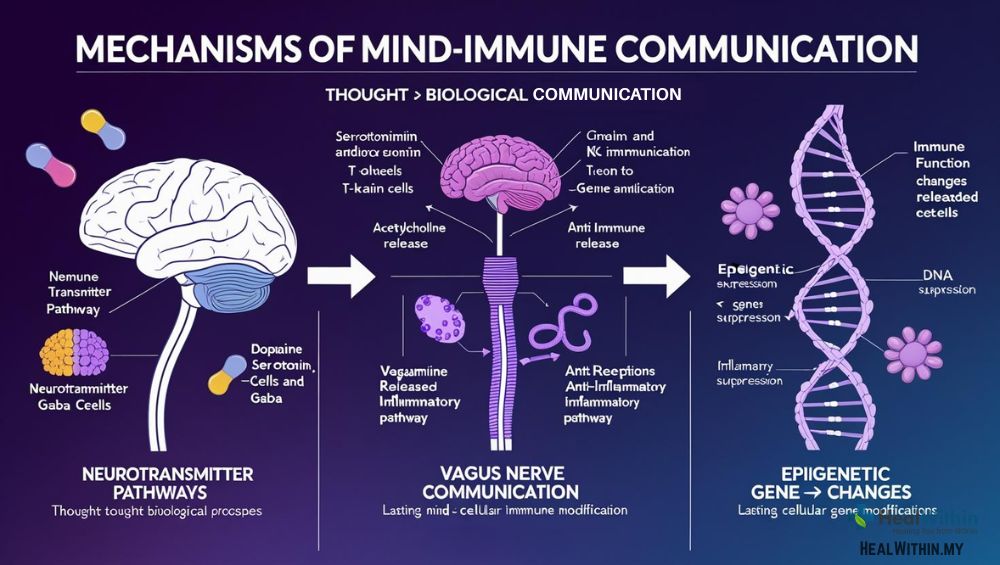
To truly understand how you can harness the power of your mind for healing, you need to know the specific biological mechanisms through which your thoughts directly influence immune cell behavior. These aren’t abstract concepts—they’re precise molecular pathways that determine whether your immune system functions optimally or becomes compromised. Understanding these mechanisms empowers you to make conscious choices that strengthen your body’s natural healing capabilities.
NEUROTRANSMITTER PATHWAYS AND IMMUNE CELL COMMUNICATION
Your immune cells are essentially listening to your thoughts through neurotransmitter signals. These chemical messengers carry specific instructions from your brain directly to immune cells throughout your body.
- Dopamine receptor activation: Immune cells have dopamine receptors that, when activated by positive thoughts and experiences, enhance their ability to identify and eliminate threats while reducing excessive inflammatory responses.
- Serotonin immune modulation: This “happiness neurotransmitter” directly binds to immune cell receptors, promoting balanced immune responses and preventing both immune suppression and autoimmune overreaction.
- GABA’s calming influence: When your mind is calm and peaceful, GABA neurotransmitter release helps immune cells maintain appropriate responses without the hypervigilance that characterizes chronic inflammation.
THE VAGUS NERVE: YOUR BODY'S NATURAL HEALING HIGHWAY
The vagus nerve serves as the primary communication highway between your brain and immune system, carrying signals that can either promote healing or maintain disease states.
- Cholinergic anti-inflammatory pathway: When your vagus nerve is healthy and active, it releases acetylcholine that directly inhibits inflammatory cytokine production, creating a natural anti-inflammatory effect.
- Heart rate variability connection: The vagus nerve controls heart rate variability, and higher variability correlates with better immune function and greater resilience to stress and disease.
- Gut-brain-immune axis: The vagus nerve coordinates communication between your gut microbiome, brain, and immune system, influencing everything from mood to autoimmune responses.
EPIGENETIC CHANGES TRIGGERED BY MENTAL STATES
Perhaps most remarkably, your thoughts and emotions can actually change which genes are expressed in your immune cells, creating lasting changes in immune function that can persist for months or even years.
- Gene expression modulation: Chronic stress or positive mental states can turn specific immune-related genes on or off, fundamentally altering how your immune cells respond to threats.
- Inflammatory gene suppression: Meditation and positive emotional states can suppress the expression of genes that promote inflammation, while activating genes that support healing and tissue repair.
- Transgenerational effects: The epigenetic changes triggered by your mental states can potentially be passed to future generations, highlighting the profound impact of addressing emotional and mental health in healing.
How Does the Treatment in Heal Within Help to Balance Thoughts & Emotions and Optimize Immunity?
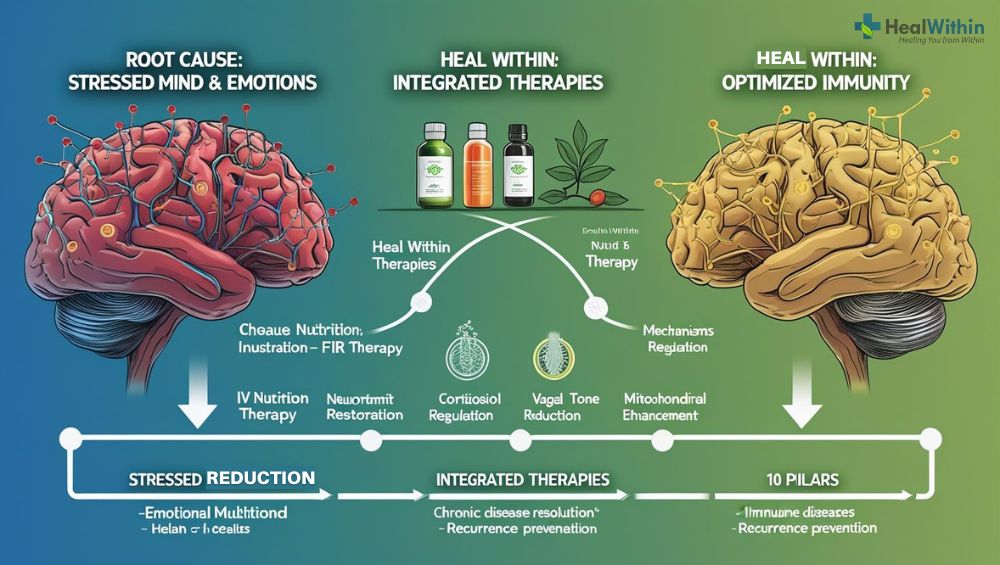
At Heal Within, we don’t just acknowledge the mind-body connection—we actively integrate emotional and mental healing into every aspect of our treatment protocol. Understanding that “stressed state of mind & emotions” is one of the 11 root causes of chronic disease, we’ve developed specific therapeutic approaches that address this crucial pillar of health. Our integrated and holistic treatment directly targets the psychoneuroimmunological pathways we’ve discussed, creating measurable improvements in both emotional well-being and immune function.
ADDRESSING STRESSED MIND & EMOTIONS AS A ROOT CAUSE
Rather than treating emotional stress as a secondary concern, we recognize it as a primary root cause that must be addressed for complete healing. Our approach directly targets the biological mechanisms that link emotional states to immune dysfunction.
- Comprehensive stress assessment: We evaluate each patient’s stress patterns, emotional triggers, and their specific impact on immune markers, creating personalized treatment plans that address individual emotional root causes.
- Neurotransmitter optimization: Through targeted nutrition therapy and herbal medicine, we restore optimal levels of serotonin, dopamine, and GABA, directly improving the brain-immune communication pathways.
- Cortisol regulation protocols: Our detoxification and IV nutrition therapies help normalize cortisol levels, removing the chronic immune suppression that prevents healing from occurring.
INTEGRATED THERAPIES THAT RESTORE EMOTIONAL BALANCE
Our treatment protocol includes specific therapies designed to activate the healing mechanisms of psychoneuroimmunology, working through multiple pathways to restore emotional balance and optimize immune function.
- Herbal medicine for nervous system support: We use adaptogenic herbs that directly support the hypothalamic-pituitary-adrenal axis, helping restore natural stress resilience and improving vagal tone.
- IV nutrition for neurotransmitter production: Our intravenous nutrition therapy provides the specific amino acids, vitamins, and minerals needed for optimal neurotransmitter synthesis and immune cell function.
- FIR therapy for parasympathetic activation: Far-infrared therapy stimulates the parasympathetic nervous system, activating the cholinergic anti-inflammatory pathway and promoting the relaxation response that enhances immune function.
OPTIMIZING THE 10 PILLARS OF HEALTH FOR IMMUNE STRENGTH
Our holistic approach recognizes that emotional balance cannot be achieved in isolation—it requires optimizing all 10 Pillars of Health simultaneously to create the conditions for both mental wellness and immune strength.
- Gut-brain axis restoration: Through wholesome food therapy and probiotics, we restore healthy gut microbiome function, which directly influences mood, stress resilience, and immune system balance.
- Mitochondrial function enhancement: Our therapies improve cellular energy production, providing the metabolic foundation needed for both optimal brain function and robust immune cell activity.
- Toxic load reduction: By removing heavy metals and environmental toxins through chelation and detoxification therapy, we eliminate inflammatory triggers that disrupt both emotional balance and immune function.
Summary and Conclusion
The science of psychoneuroimmunology reveals a profound truth: your thoughts and emotions are not separate from your physical health—they are integral drivers of your immune system’s strength and your body’s ability to heal. Throughout this exploration, we’ve uncovered key principles that can transform your approach to health and healing:
- Mind-body integration is measurable science: Your nervous, endocrine, and immune systems communicate through shared molecular pathways, creating a unified network where thoughts directly influence immune function.
- Negative emotions systematically weaken immunity: Chronic stress, fear, and negative emotions trigger cortisol release, inflammatory cascades, and immune suppression that contribute to chronic disease development.
- Positive mental states actively strengthen immune response: Joy, gratitude, meditation, and social connection measurably boost natural killer cells, reduce inflammation, and enhance your body’s healing capacity.
- Specific biological mechanisms enable thought-immune communication: Neurotransmitter pathways, vagus nerve function, and epigenetic changes provide the precise mechanisms through which your mental states influence immune cell behavior.
- Integrated treatment addresses emotional root causes: At Heal Within, we recognize stressed mind and emotions as one of the 11 root causes of chronic disease, using targeted therapies to restore emotional balance and optimize immune function.
Understanding psychoneuroimmunology empowers you to recognize that healing isn’t just about treating symptoms or even addressing physical root causes—it’s about creating harmony between your mind, emotions, and immune system. Every thought you think, every emotion you feel, and every stress you carry or release has measurable consequences for your body’s ability to defend itself and heal.
This knowledge places tremendous power in your hands: the power to actively participate in your healing by consciously choosing thoughts, emotions, and mental states that support rather than undermine your immune system. The question isn’t whether your mind affects your health—the question is how consciously you’ll choose to use this connection to create the vibrant health you deserve.