
What if I told you that what you understand about inherited genetic destiny is wrong?
What if the cancer, diabetes, or heart disease that “runs in your family” doesn’t have to run in yours?
What if your genetic code isn’t the unchangeable life sentence you’ve been led to believe it is?
What if I told you that this belief of “genetic destiny” is not only outdated but scientifically incorrect?
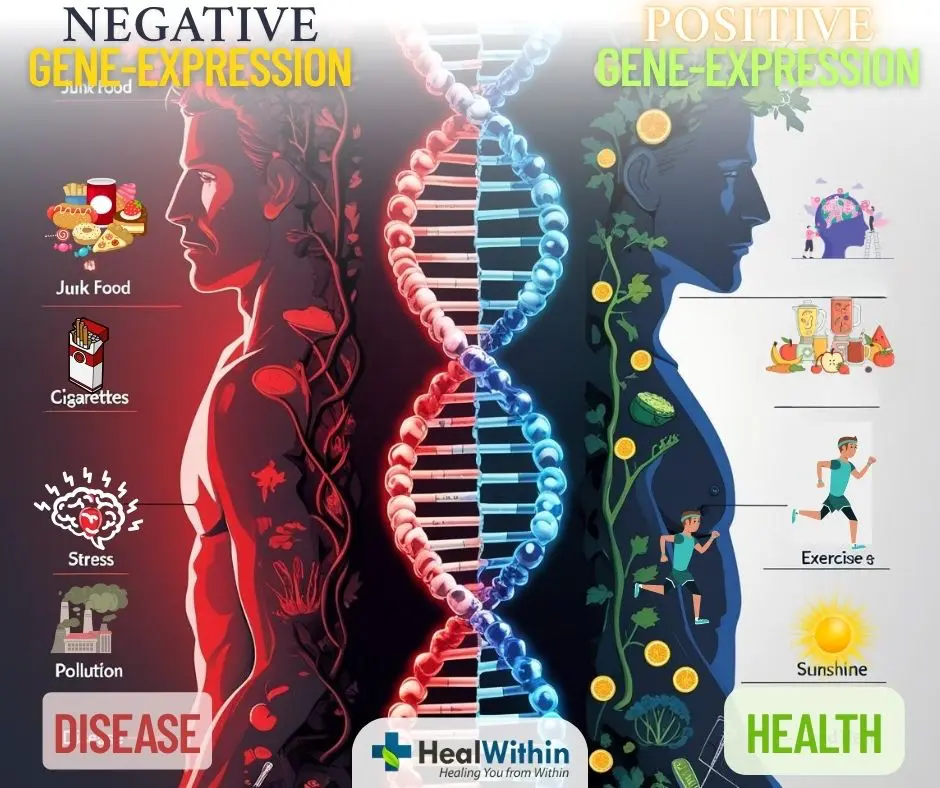
The revolutionary field of epigenetics has shattered the myth of genetic determinism, proving that your lifestyle choices have the power to turn genes on and off, effectively rewriting your biological destiny. Your DNA is not a fixed blueprint—it’s more like a piano with 25,000 keys, and you are the pianist deciding which notes to play.
Through my 15 years of treating chronic diseases using integrated and holistic approaches, I’ve witnessed countless patients overcome “inherited” conditions by addressing the epigenetic factors within our 10 Pillars of Health framework. The science is clear: your genes load the gun, but your lifestyle pulls the trigger. Today, you’ll discover how to keep that trigger firmly under your control and unlock your body’s innate healing potential through the power of epigenetic medicine.
What Exactly Is Epigenetics and Why Should You Care About It?
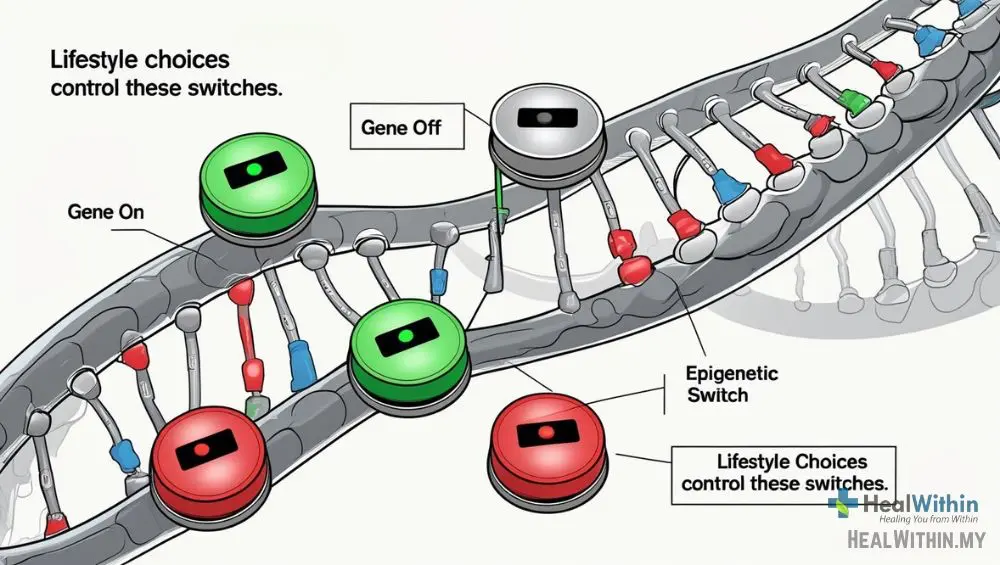
For decades, we’ve been trapped in the outdated belief that our genes control our destiny. But epigenetics—literally meaning “above genetics”—reveals a stunning truth: it’s not your genes themselves that determine your health, but rather how those genes are expressed. Think of your DNA as a vast library of books, and epigenetics as the librarian who decides which books get read and which remain closed.
GENETIC EXPRESSION VS. GENETIC CODE
Your genetic code remains the same throughout your life, but which genes get activated can change dramatically based on your choices.
- Gene activation patterns: Your lifestyle choices act like switches, turning beneficial genes on and harmful genes off through chemical modifications called methylation and histone acetylation.
- Environmental responsiveness: Every cell in your body constantly reads environmental signals from your diet, stress levels, sleep patterns, and toxin exposure to determine gene expression.
- Dynamic flexibility: Unlike your fixed DNA sequence, epigenetic patterns can change within hours or days, allowing rapid adaptation to lifestyle modifications and therapeutic interventions.
THE EPIGENETIC SWITCHES THAT CONTROL YOUR HEALTH
Specific molecular mechanisms govern how your genes respond to your internal and external environment.
- DNA methylation: Chemical tags that attach to your DNA and silence disease-promoting genes while activating protective ones, directly influenced by nutrition and detoxification status.
- Histone modifications: Proteins that package DNA can be chemically altered to make genes more or less accessible, responding to factors like stress hormones and inflammatory compounds.
- MicroRNA regulation: Small RNA molecules that fine-tune gene expression by blocking or enhancing protein production, heavily influenced by dietary compounds and metabolic health.
WHY CONVENTIONAL MEDICINE IGNORES THIS BREAKTHROUGH
Traditional medical approaches remain focused on treating symptoms rather than addressing the epigenetic root causes of disease.
- Symptom suppression model: Conventional treatments use medications to manage disease symptoms without addressing the underlying epigenetic factors that created the condition in the first place.
- Single-target approach: Most medical interventions focus on one pathway or mechanism, missing the complex epigenetic interactions that require comprehensive lifestyle modifications to achieve lasting results.
- Pharmaceutical limitations: Drug-based treatments cannot replicate the sophisticated epigenetic reprogramming that occurs through integrated approaches addressing nutrition, detoxification, stress management, and cellular optimization simultaneously.
How Do Your Daily Choices Actually Change Your Gene Expression?
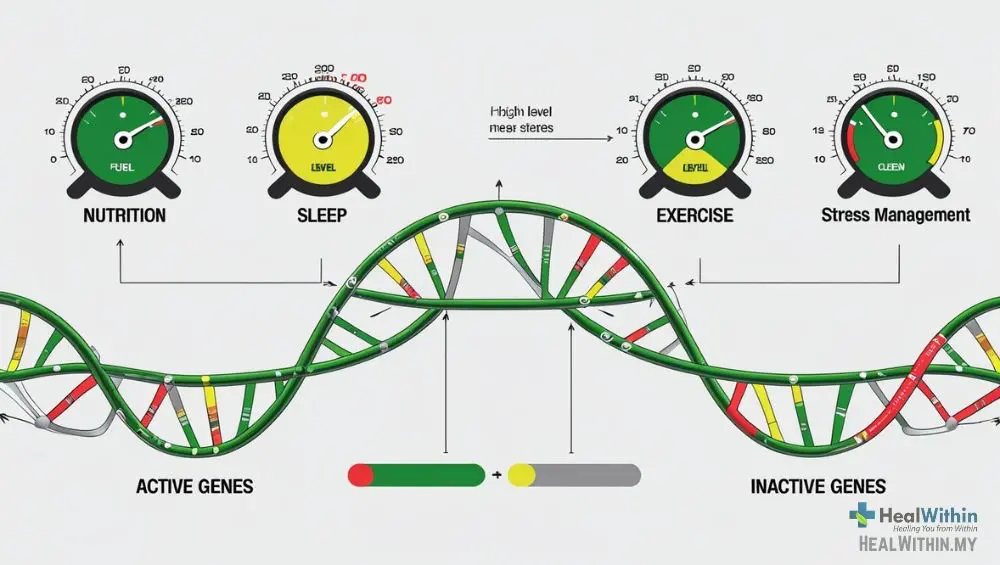
Every decision you make—from what you eat for breakfast to how you handle stress—sends powerful signals to your genes. These signals don’t just influence how you feel today; they literally reprogram your cellular machinery, determining whether you express genes associated with health and vitality or those linked to chronic disease and premature aging.
STRESS, EMOTIONS, AND EPIGENETIC PROGRAMMING
Your mental and emotional state creates profound epigenetic changes that can either promote healing or accelerate disease progression.
- Cortisol-mediated changes: Chronic stress elevates cortisol levels, which methylate genes responsible for immune function and DNA repair while activating inflammatory and aging pathways.
- Meditation and mindfulness: Regular stress-reduction practices increase telomerase activity, activate anti-aging genes, and improve the expression of genes involved in neuroplasticity and emotional regulation.
- Social connections: Strong relationships and emotional support modify gene expression patterns associated with immune function, reducing inflammatory markers and enhancing resilience against chronic diseases.
NUTRITION AND DIETARY PATTERNS AS GENETIC MODULATORS
The food you consume provides direct instructions to your genes through bioactive compounds that alter epigenetic patterns.
- Methylation donors: Nutrients like folate, B12, choline, and betaine provide methyl groups that silence cancer-promoting genes while activating DNA repair mechanisms and detoxification pathways.
- Polyphenol powerhouses: Plant compounds in colorful vegetables and herbs directly modify histone proteins, turning on anti-inflammatory genes while suppressing oxidative stress and cellular aging pathways.
- Omega-3 fatty acids: These essential fats alter gene expression to reduce inflammatory cytokine production, enhance mitochondrial biogenesis, and activate longevity genes like SIRT1.
ENVIRONMENTAL TOXINS AND GENETIC SWITCHING
Chemical exposures from your environment create lasting epigenetic changes that can persist for generations if not properly addressed.
- Heavy metal interference: Lead, mercury, and cadmium disrupt normal DNA methylation patterns, silencing tumor suppressor genes while activating oncogenes and inflammatory pathways.
- Endocrine disruptors: Chemicals like BPA and phthalates alter hormone-related gene expression, affecting metabolism, reproductive health, and increasing susceptibility to hormone-dependent cancers.
- Detoxification activation: Supporting your body’s natural detox pathways through specific nutrients and therapies can reverse toxic epigenetic damage and restore healthy gene expression patterns.
Can You Really Reverse Inherited Disease Predispositions?
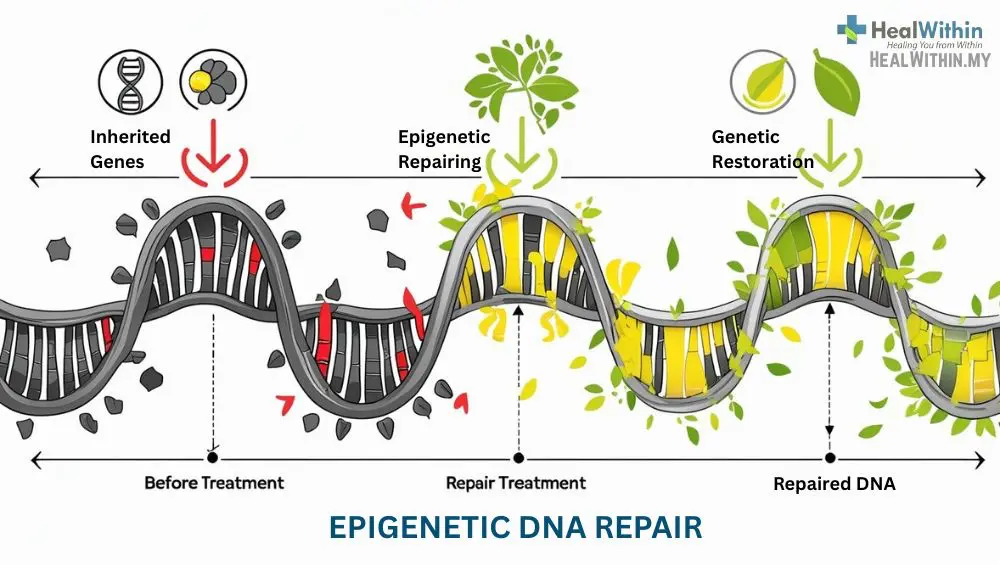
This is perhaps the most liberating question in modern medicine. The answer is a resounding yes—but with important caveats about timing, approach, and commitment. I’ve witnessed patients completely transform their health trajectories, overcoming genetic predispositions that seemed insurmountable. The key lies in understanding that genetic predisposition is not genetic predetermination.
THE SCIENCE BEHIND GENETIC REPROGRAMMING
Multiple mechanisms allow your body to override inherited genetic vulnerabilities through targeted lifestyle interventions.
- Transgenerational plasticity: Epigenetic marks inherited from previous generations can be erased and rewritten through sustained lifestyle changes, particularly those addressing the 10 Pillars of Health simultaneously.
- Cellular reprogramming: Stem cells and progenitor cells can be epigenetically reprogrammed to express healthier genetic patterns, effectively replacing diseased tissue with regenerated, optimally-functioning cells.
- Metabolic switching: Changing your metabolic environment through nutrition, detoxification, and mitochondrial optimization forces cells to activate dormant protective genes while silencing disease-promoting pathways.
DOCUMENTED CASES OF EPIGENETIC REVERSALS
Real-world evidence demonstrates the profound impact of comprehensive epigenetic interventions on inherited disease patterns.
- Cancer predisposition reversal: Patients with BRCA gene mutations have successfully normalized their cancer risk through intensive detoxification, nutrition optimization, and stress management protocols targeting epigenetic factors.
- Diabetes prevention: Individuals with strong family histories of diabetes have prevented disease onset by addressing insulin resistance through dietary changes that modify genes controlling glucose metabolism.
- Cardiovascular transformation: Patients genetically predisposed to heart disease have reversed arterial damage and normalized cardiovascular markers through integrated approaches targeting inflammation, circulation, and mitochondrial function.
TIMEFRAMES FOR MEANINGFUL GENETIC CHANGES
Understanding the timeline of epigenetic transformation helps set realistic expectations and maintain motivation during treatment.
- Immediate changes: Some epigenetic modifications occur within hours of lifestyle changes, particularly those related to stress response, inflammation, and metabolic gene expression patterns.
- Short-term shifts: Significant epigenetic reprogramming typically becomes measurable within 3-12 weeks of sustained intervention, especially when addressing multiple root causes simultaneously through integrated protocols.
- Long-term stabilization: Complete epigenetic transformation and stable reversal of inherited disease patterns generally requires 6-18 months of consistent application of optimized lifestyle factors and therapeutic interventions.
Which Lifestyle Factors Have the Most Powerful Epigenetic Impact?
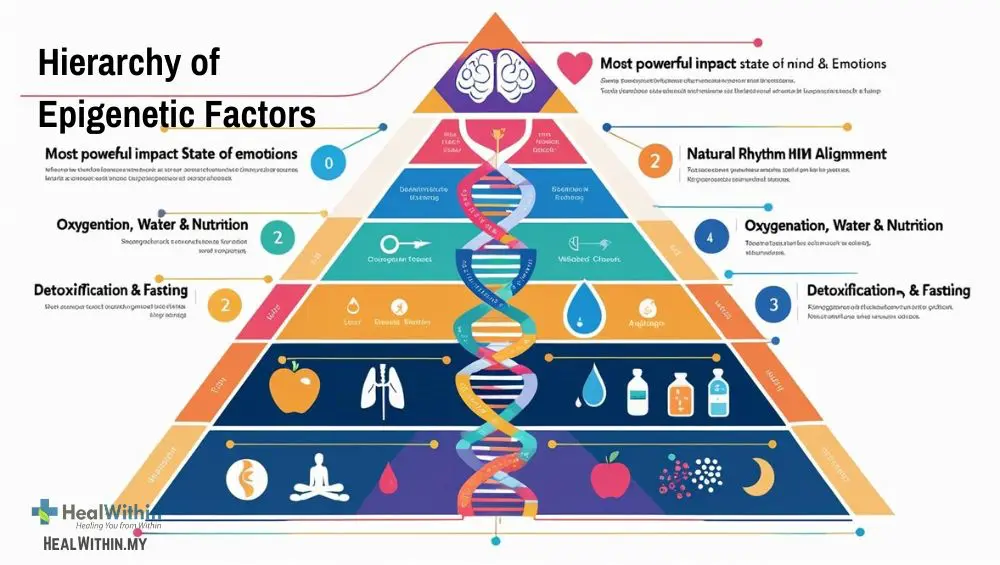
Not all lifestyle factors are created equal when it comes to epigenetic influence. Through years of clinical observation and research, I’ve identified the most potent epigenetic modulators—those with the power to create rapid, measurable changes in gene expression. Understanding these hierarchy of influences allows you to prioritize your efforts for maximum therapeutic impact.
STATE OF MIND AND EMOTIONS
The most fundamental and powerful epigenetic influence lies in your mental and emotional state, which creates cascading effects throughout your entire genetic expression.
- Emotional gene programming: Your predominant emotional states directly alter the expression of thousands of genes, with positive emotions activating healing pathways while negative emotions trigger inflammatory and aging genes.
- Stress response genetics: Chronic stress elevates cortisol levels, which methylate genes responsible for immune function and DNA repair while activating pathways associated with disease progression and cellular degeneration.
- Consciousness and intention: Your beliefs, thoughts, and intentions create measurable changes in gene expression through psychoneuroimmunology pathways, demonstrating the profound mind-body connection at the genetic level.
SYNCING THE BODY TO THE NATURAL CLOCK OF NATURE
Ancient wisdom from Ayurveda and Traditional Chinese Medicine reveals how aligning with natural rhythms optimizes genetic expression patterns.
- Constitutional alignment: Understanding your unique constitution (Vata, Pitta, Kapha) and Five Element type allows you to optimize lifestyle choices that support your genetic strengths while minimizing weaknesses.
- Seasonal adaptation: Living in harmony with seasonal changes activates appropriate genetic programs for immunity, metabolism, and cellular repair that have evolved over millions of years.
- Geographic optimization: Aligning your daily rhythms with your location’s sunrise, sunset, and magnetic field variations synchronizes thousands of circadian genes with your environment’s natural energy patterns.
OXYGENATION, WATER, AND NUTRITION
The fundamental building blocks of cellular function create immediate and powerful epigenetic changes throughout your body.
- Oxygen optimization: Proper breathing techniques, hyperbaric therapy, and oxygenation protocols activate genes involved in mitochondrial biogenesis, cellular repair, and anti-aging pathways while suppressing anaerobic disease processes.
- Water quality and structure: Clean, properly structured water supports optimal cellular hydration and facilitates the biochemical reactions necessary for healthy DNA methylation and gene expression patterns.
- Nutrient density focus: Whole foods provide the cofactors, antioxidants, and methylation donors required for optimal epigenetic function, while processed foods create inflammatory gene expression patterns.
DETOXIFICATION, FASTING, AND ENVIRONMENTAL FACTORS
Removing cellular interference and creating clean internal environments allows natural genetic programs to function optimally.
- Periodic fasting protocols: Extended periods without food activate autophagy genes, enhance DNA repair mechanisms, and trigger longevity gene expression while allowing cellular cleanup processes to function.
- Comprehensive detoxification: Systematic removal of heavy metals, chemicals, and metabolic waste products reverses toxic epigenetic damage and restores normal tumor suppressor and DNA repair gene function.
- Environmental purification: Creating clean air, water, and electromagnetic environments prevents ongoing epigenetic damage while supporting the body’s natural genetic repair and optimization processes.
REST AND CIRCADIAN RHYTHM
Your body’s natural sleep-wake cycles control the rhythmic expression of thousands of genes essential for health and healing.
- Deep sleep architecture: Quality sleep phases activate genes responsible for growth hormone production, cellular repair, immune function, and memory consolidation while suppressing inflammatory pathways.
- Light exposure timing: Morning sunlight and evening darkness synchronize circadian gene expression, optimizing hormone production and metabolic efficiency while preventing circadian rhythm disruption diseases.
- Recovery and restoration: Regular periods of complete rest allow energy to be redirected toward DNA repair, detoxification, and cellular regeneration rather than constant stress response activation.
How Does Heal Within's Approach Address Epigenetic Factors?
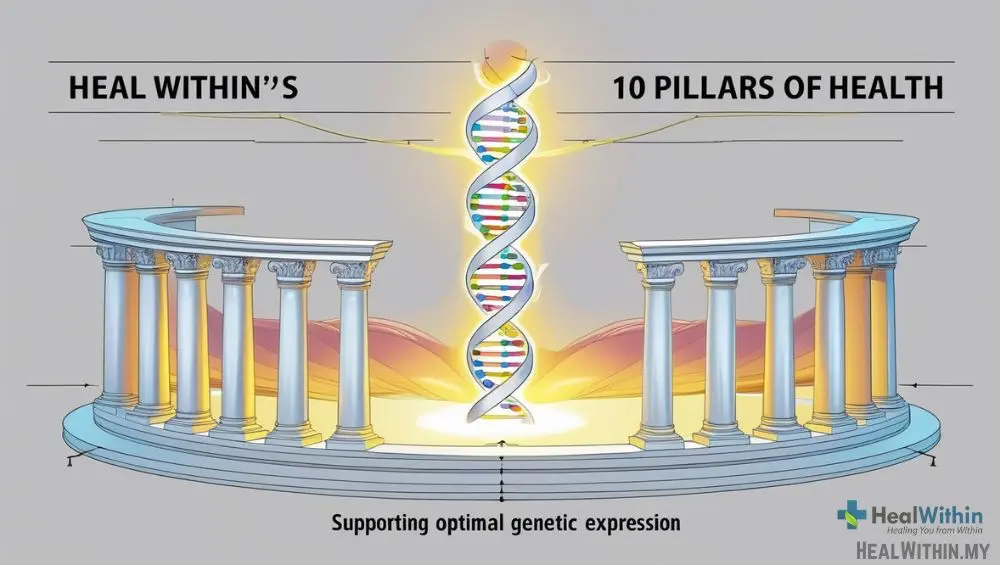
Everything I’ve shared about epigenetics forms the foundation of how we approach chronic disease treatment at Heal Within. Our integrated and holistic methodology directly targets the epigenetic root causes of disease rather than simply managing symptoms. Through our comprehensive assessment and treatment protocols, we systematically address each factor that influences your genetic expression to create lasting healing and prevent recurrence.
THE 10 PILLARS OF HEALTH AND EPIGENETIC OPTIMIZATION
Our treatment framework directly corresponds to the most powerful epigenetic influencers, creating a systematic approach to genetic reprogramming.
- Comprehensive root cause analysis: We identify which of the 10 Pillars are causing abnormal genetic expression in your body, from nutritional deficiencies and toxicity to stress patterns and mitochondrial dysfunction.
- Personalized epigenetic protocols: Based on your unique genetic predispositions and current health status, we design targeted interventions that optimize the specific epigenetic factors most relevant to your condition.
- Synergistic factor integration: Rather than addressing single issues in isolation, our approach recognizes that epigenetic factors work together, requiring simultaneous optimization of nutrition, detoxification, stress management, and cellular function.
INTEGRATED THERAPIES FOR GENETIC REPROGRAMMING
Our diverse therapeutic modalities work together to create powerful epigenetic changes that conventional medicine cannot achieve through single interventions.
- Nutritional and detoxification therapies: IV nutrition therapy, chelation therapy, and comprehensive detoxification protocols provide the cellular building blocks needed for optimal DNA methylation while removing toxins that disrupt genetic expression.
- Oxygenation and circulation enhancement: Hyperbaric oxygen therapy, autohemo therapy, and EECP therapy optimize cellular oxygenation and circulation, creating the ideal internal environment for healthy gene expression and mitochondrial function.
- Bioidentical hormone optimization: Our hormone balancing protocols restore the hormonal signals that regulate thousands of genes involved in metabolism, immune function, and cellular repair processes.
LONG-TERM EPIGENETIC MAINTENANCE STRATEGIES
Sustainable epigenetic transformation requires ongoing support and lifestyle optimization beyond the initial treatment phase.
- Lifestyle integration coaching: We provide detailed guidance on maintaining the dietary, sleep, stress management, and environmental factors necessary to sustain positive epigenetic changes long-term.
- Periodic optimization sessions: Regular follow-up treatments and assessments ensure that your epigenetic improvements are maintained while addressing any new challenges that may arise from aging or environmental changes.
- Preventive epigenetic monitoring: Through ongoing evaluation of your 10 Pillars of Health, we can detect early epigenetic shifts and make adjustments before they manifest as disease symptoms or recurrence.
Summary and Conclusion
The revolutionary science of epigenetics has fundamentally changed our understanding of health and disease, proving that your genetic destiny is not fixed but entirely modifiable through your daily choices. Here are the key insights that can transform your approach to health:
- Genetic expression trumps genetic code – Your lifestyle choices determine which genes get activated, not your inherited DNA sequence
- State of mind is fundamental – Your emotions and mental state create the most powerful epigenetic changes throughout your body
- Natural rhythm alignment – Syncing with circadian cycles and constitutional patterns optimizes thousands of genes simultaneously
- Cellular foundation matters – Oxygenation, hydration, and nutrition provide the building blocks for healthy genetic expression
- Environmental cleanup is essential – Detoxification and toxin avoidance prevent ongoing epigenetic damage while fasting activates repair genes
- Comprehensive approach works best – The 10 Pillars of Health framework addresses all major epigenetic factors systematically rather than treating symptoms in isolation
The most profound realization is that you are not a victim of your genetics—you are the author of your genetic expression. Every meal you eat, every breath you take, every thought you think, and every emotion you feel sends specific instructions to your genes.
The question is no longer whether you can overcome inherited disease predispositions, but whether you’re willing to take responsibility for the choices that will determine your health destiny. The power to rewrite your genetic story lies entirely in your hands, and the time to begin that transformation is now.