
Have you undergone chelation therapy that followed a standard protocol, yet your chronic fatigue, brain fog, and pain persisted or even worsened?
What if the problem wasn’t chelation itself—but the one-size-fits-all approach that treated you like every other patient?
Could the chelation failure you experienced be because the protocol ignored your unique metal profile, your body’s elimination capacity, and your individual organ vulnerabilities?
Most chelation clinics use identical protocols for everyone. Same chelating agents, same dosing, same intensity—whether you have mercury, lead, cadmium, or all three. This explains why some patients improve dramatically while others experience minimal results, severe detox reactions, or temporary relief followed by symptom recurrence.
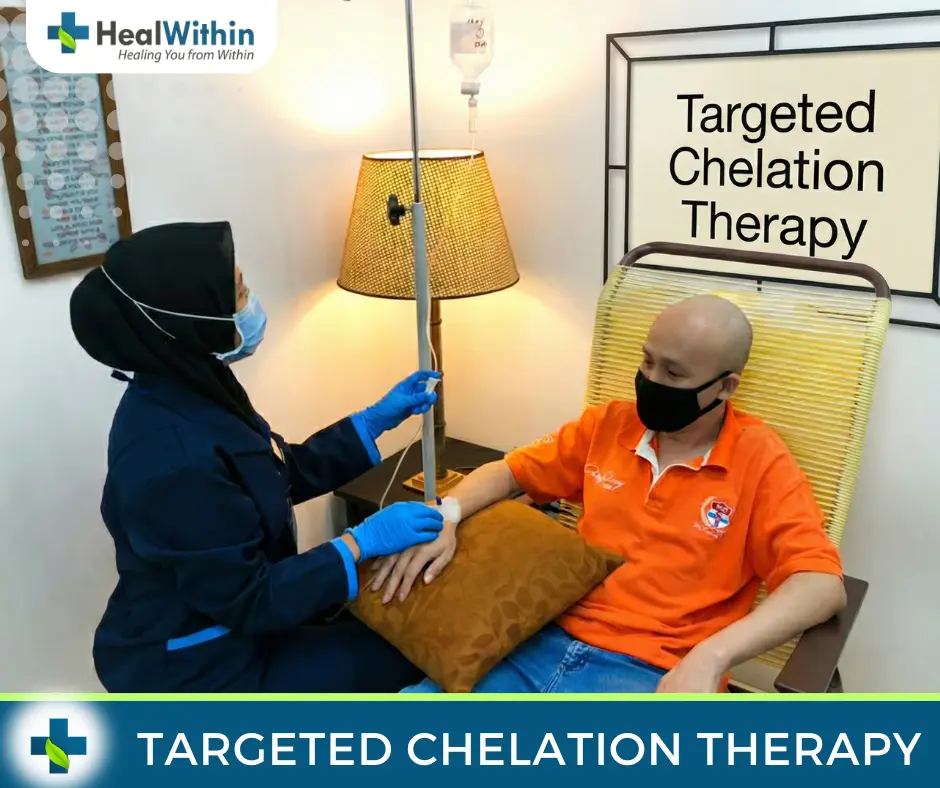
Targeted chelation therapy takes the opposite approach. After accurate provoked testing reveals your exact metal burden, every aspect of treatment is precision-customized: chelators matched to your metals, dosing calibrated to your elimination capacity, intensity graduated to your burden severity, and protection tailored to your organ vulnerabilities. At Heal Within, we treat your unique toxicity with the individualized protocol your body actually needs.
Why Does One-Size-Fits-All Chelation Fail So Many Patients?
Generic chelation protocols were never designed to address individual differences—they apply the same treatment regardless of which metals you have, how severe your burden is, or how well your body can eliminate toxins.
EVERY PATIENT HAS A DIFFERENT METAL PROFILE
Your lifetime exposures created a unique toxic fingerprint that demands individualized chelation:
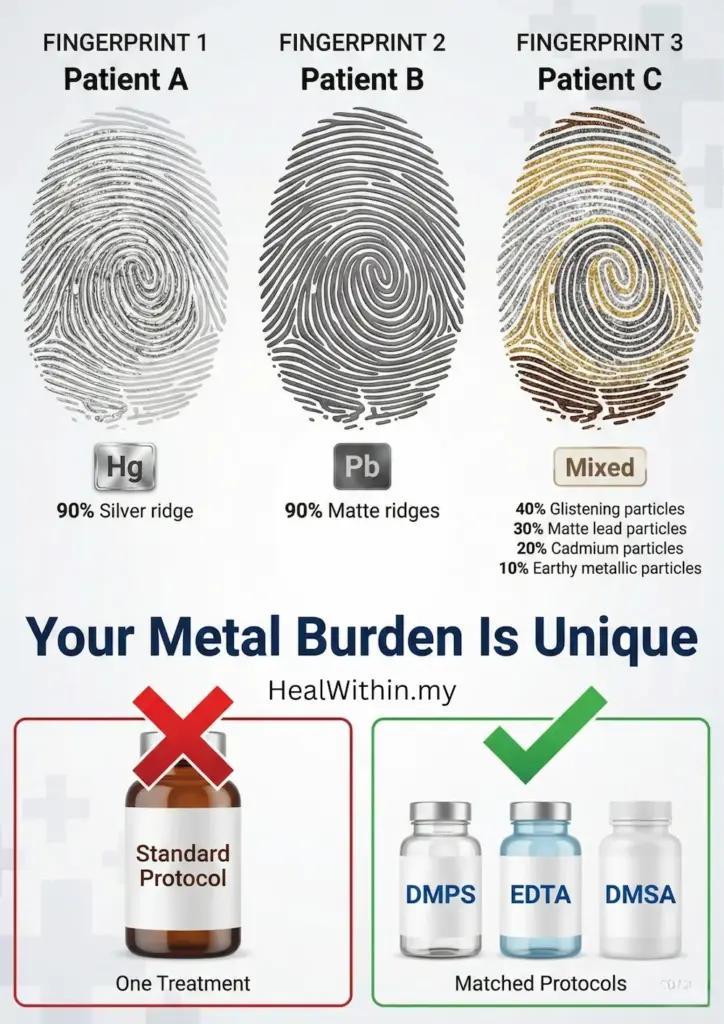
- Your metal burden is as unique as your fingerprint: One patient accumulated mercury from dental amalgams and fish consumption, another has lead from old plumbing and childhood exposure, a third has cadmium from smoking—yet standard protocols treat them identically.
- Different metals require different chelators: EDTA effectively removes lead but barely touches mercury. DMPS targets mercury and arsenic but less effectively chelates lead. DMSA addresses multiple metals but cannot cross the blood-brain barrier. Using wrong chelators wastes time while leaving your toxic burden untreated.
- Multi-metal burdens need strategic sequencing: Most chronic disease patients accumulated multiple toxic metals over decades, requiring carefully planned chelator rotation that systematically addresses each metal without causing dangerous redistribution or overwhelming your elimination pathways.
BURDEN SEVERITY DETERMINES SAFE TREATMENT INTENSITY
The amount of metals you’ve accumulated determines whether gentle or aggressive protocols are safe:
- Mild toxicity vs. severe accumulation need opposite approaches: A patient with low-level cadmium needs gentle oral chelation and nutritional support, while someone with severe multi-metal poisoning requires intensive IV protocols with aggressive organ protection—standard protocols ignore this critical difference completely.
- Generic dosing causes treatment failure or harm: Fixed-dose protocols are either too weak (providing minimal benefit for high-burden patients) or too aggressive (mobilizing metals faster than compromised elimination systems can handle, causing severe symptom flares and potential organ damage).
- Graduated intensification prevents detox crisis: Safe detoxification starts with gentle protocols to open elimination pathways, then progressively increases intensity as detoxification capacity strengthens—one-size-fits-all protocols skip this crucial preparation, causing dangerous “detox reactions” that make patients feel worse.
INDIVIDUAL DETOXIFICATION CAPACITY VARIES DRAMATICALLY
Your body’s ability to process and eliminate mobilized metals varies based on genetics and organ health:
- Your elimination organs determine safe chelation speed: Patients with compromised liver or kidney function, leaky gut, poor lymphatic drainage, or genetic detox enzyme deficiencies cannot safely eliminate metals at the same rate as those with optimal organ function—yet standard protocols ignore these differences entirely.
- Weak pathways cause metal redistribution: When chelation mobilizes metals faster than your body can eliminate them, toxins redistribute to more sensitive tissues like the brain, heart, or nervous system—worsening your symptoms and causing new health problems that generic protocols never anticipate or prevent.
- Genetic variations require protocol modification: Polymorphisms in detoxification genes (MTHFR, GST, MT) severely impair some people’s ability to process and eliminate metals, requiring specialized nutritional support and modified chelation schedules that one-size-fits-all approaches never provide.
How Does Targeted Chelation Begin With Accurate Burden Assessment?
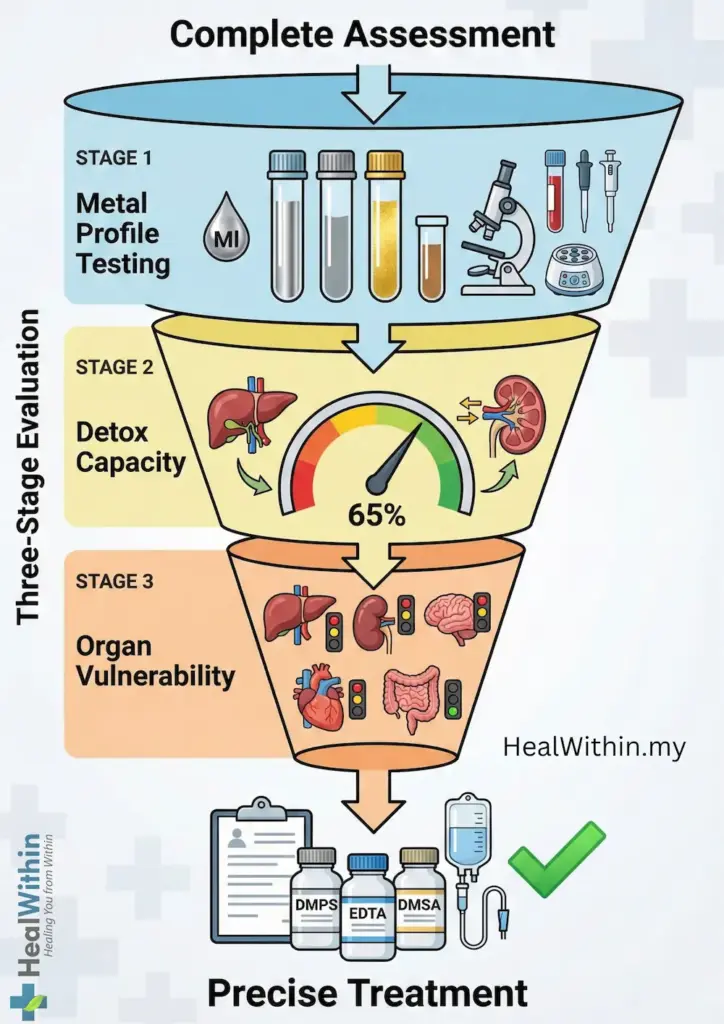
Precision chelation starts where generic protocols fail—with comprehensive testing that reveals your exact metal burden, identifies which organs are most affected, and assesses your body’s capacity to safely eliminate mobilized toxins.
COMPREHENSIVE METAL PROFILE TESTING
Accurate diagnosis reveals which specific metals you’ve accumulated and where they’re causing damage:
- Provoked testing reveals your complete burden: Unlike standard blood tests that miss 90% of your toxic load, provoked testing mobilizes tissue-stored metals to accurately measure mercury, lead, cadmium, arsenic, aluminum, and other toxins accumulated over your lifetime.
- Understanding your unique metal combination: Results show not just whether you have toxicity, but precisely which metals in what quantities—revealing severe mercury with moderate lead and mild cadmium, versus someone else with severe cadmium, moderate arsenic, and minimal mercury.
- Metal-specific organ targeting identified: Different metals concentrate in different organs—mercury in brain and kidneys, lead in bones and blood vessels, cadmium in kidneys, arsenic in liver—your test results show where your specific metals are causing the most damage.
DETOXIFICATION CAPACITY ASSESSMENT
Understanding how efficiently your body can eliminate metals determines safe treatment intensity:
- Evaluating elimination organ function: Comprehensive testing assesses your liver’s phase 1 and phase 2 detoxification capacity, kidney filtration rate and tubular function, lymphatic drainage efficiency, and gut barrier integrity—determining how quickly you can safely process mobilized metals.
- Identifying genetic detoxification variants: Testing for MTHFR, GST, SOD, and other detox gene polymorphisms reveals whether you have genetic limitations requiring specialized nutritional support and modified chelation protocols that compensate for impaired enzyme function.
- Measuring mineral and antioxidant status: Heavy metal chelation depletes beneficial minerals and requires robust antioxidant defenses—testing reveals your zinc, selenium, magnesium, and glutathione levels to prevent dangerous deficiencies during treatment.
ORGAN VULNERABILITY SCREENING
Identifying weakened systems allows protective measures before aggressive metal mobilization:
- Identifying systems requiring protection: If testing shows compromised kidney function, neurological sensitivity, cardiovascular vulnerabilities, or hormonal imbalances, your targeted protocol includes specific organ protection measures before aggressive metal mobilization begins.
- Symptom-burden correlation provides roadmap: Correlating your test results with your symptoms—high mercury explaining neurological issues, elevated lead connecting to hypertension, cadmium burden causing kidney dysfunction—creates the treatment roadmap showing which metals to prioritize.
- Baseline for monitoring treatment success: Initial comprehensive testing establishes your starting point, allowing follow-up provoked tests to objectively measure metal elimination progress and determine when detoxification is complete.
How Does Targeted Chelation Select The Right Treatment For Your Metals?
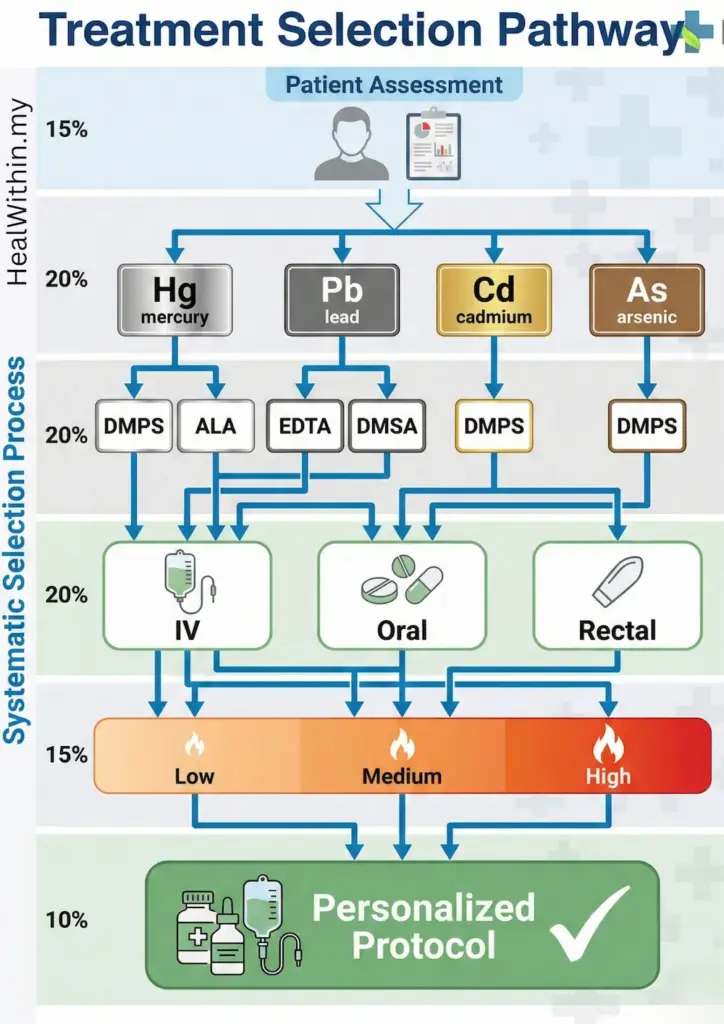
Armed with your complete metal profile and health assessment, targeted chelation designs a personalized protocol using the most effective chelators, optimal routes, and precise dosing for your specific burden.
METAL-SPECIFIC CHELATOR SELECTION
Each chelating agent has unique affinity for specific metals—matching the right chelator to your burden maximizes elimination:
- Matching chelators to your exact metals: If testing shows high mercury, your protocol emphasizes DMPS and alpha-lipoic acid; for elevated lead, EDTA and DMSA become primary agents; for cadmium and arsenic, DMPS takes priority—each chelator is chosen for proven effectiveness against your specific toxic elements.
- Strategic rotation for multi-metal toxicity: Most patients have multiple metals requiring systematic rotation protocols—your treatment schedule alternates chelators to address each metal sequentially while preventing dangerous interactions and redistribution between body compartments.
- Blood-brain barrier considerations: Mercury, lead, and other lipophilic metals accumulate in brain tissue where standard chelators cannot reach—targeted protocols include specific agents like alpha-lipoic acid that cross the blood-brain barrier to remove neurological metal burden.
ROUTE OPTIMIZATION FOR YOUR BURDEN SEVERITY
Administration method dramatically affects treatment intensity and effectiveness:
- IV chelation for severe deep-tissue toxicity: High metal burdens benefit from intravenous administration delivering therapeutic concentrations directly to bloodstream, enabling intensive mobilization of metals stored in organs, bones, and fatty tissues over many years.
- Oral chelation for ongoing maintenance: After initial IV series reduces your burden, oral chelating agents provide convenient home-based treatment for continued gradual elimination and prevention of re-accumulation from unavoidable daily exposures.
- Suppository administration when needed: For patients with compromised digestion, gut inflammation, or absorption issues, rectal chelator administration bypasses the gastrointestinal tract while maintaining effectiveness and reducing digestive stress.
PRECISION DOSING MATCHED TO YOUR CAPACITY
Calibrating chelator amounts to your elimination capacity prevents both treatment failure and detox crisis:
- Starting below your elimination threshold: Initial doses are deliberately conservative—mobilizing only the amount of metals your current liver, kidney, and lymphatic function can safely process without overwhelming your system or causing severe symptoms.
- Progressive dose escalation as capacity improves: As early treatment strengthens your elimination organs and reduces initial burden, chelator dosing systematically increases to accelerate remaining toxin removal while maintaining the critical balance between mobilization and excretion.
- Customized treatment intervals: Your protocol specifies exactly how often to chelate based on your elimination half-time—some patients benefit from frequent gentle sessions, others need longer intervals between intensive treatments for complete metal excretion before the next mobilization.
How Does Targeted Chelation Protect Your Body During Detoxification?
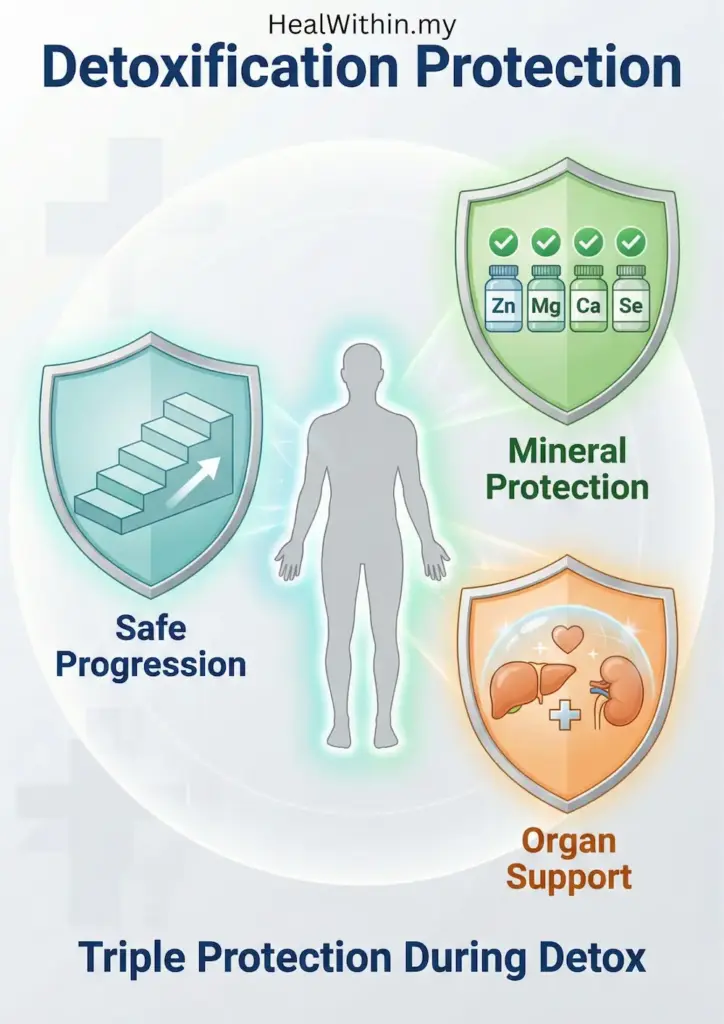
Successful chelation requires more than just mobilizing metals—comprehensive protection prevents the mineral depletion, organ damage, and symptom flares that make generic protocols dangerous.
GRADUATED PROTOCOL PREVENTS DETOX CRISIS
Opening elimination pathways before aggressive metal mobilization is essential for safe detoxification:
- Opening pathways before aggressive mobilization: The first phase focuses on supporting liver function, optimizing kidney filtration, activating lymphatic drainage, healing gut barriers, and providing foundational minerals—preparing your elimination systems before significant metal mobilization begins.
- Controlled mobilization prevents overwhelming: Early chelation uses minimal doses for short durations, mobilizing small metal amounts your body can safely handle—avoiding the severe symptom flares, brain fog, fatigue, and toxic crisis that occur when metals release faster than elimination capacity.
- Systematic intensification maintains safety: As your detoxification organs strengthen and initial burden decreases, protocols progressively increase—more potent chelators, higher doses, longer sessions, more frequent treatments—accelerating elimination while maintaining the crucial balance between mobilization and excretion.
STRATEGIC MINERAL PROTECTION DURING TREATMENT
Chelating agents remove beneficial minerals along with toxic metals—replacement strategies prevent dangerous deficiencies:
- Preventing essential mineral depletion: Chelating agents remove beneficial minerals along with toxic metals—targeted protocols provide strategic zinc, magnesium, selenium, and calcium supplementation timed to prevent deficiencies without interfering with metal binding and elimination.
- Replacing chelator-specific losses: EDTA particularly depletes calcium and magnesium, DMSA affects zinc, alpha-lipoic acid can lower selenium—your protocol includes mineral replacement matched to your specific chelator combination and individual depletion patterns.
- Monitoring mineral status prevents complications: Regular testing tracks your zinc, magnesium, calcium, and trace mineral levels throughout treatment, allowing immediate protocol adjustment if depletion begins before symptoms develop or organ dysfunction occurs.
COMPREHENSIVE ORGAN SUPPORT PREVENTS DAMAGE
Detoxification organs face extraordinary stress during metal elimination—targeted support maintains function:
- Liver protection during metal processing: N-acetylcysteine, milk thistle, glutathione, and specific nutrients support phase 1 and phase 2 liver detoxification pathways handling mobilized metals, preventing hepatic stress and ensuring efficient conjugation for elimination.
- Kidney support maintains filtration: Adequate hydration, kidney-protective herbs, antioxidants targeting renal tissue, and monitoring of kidney function parameters ensure your kidneys can handle the toxic load without damage or dysfunction that would halt chelation progress.
- Antioxidant defense against mobilization damage: Metal mobilization generates massive oxidative stress and inflammation—high-dose vitamin C, glutathione, alpha-lipoic acid, and other antioxidants neutralize free radicals and prevent the cellular damage that occurs when metals enter circulation.
Why Must Targeted Chelation Integrate With Whole-Body Restoration?
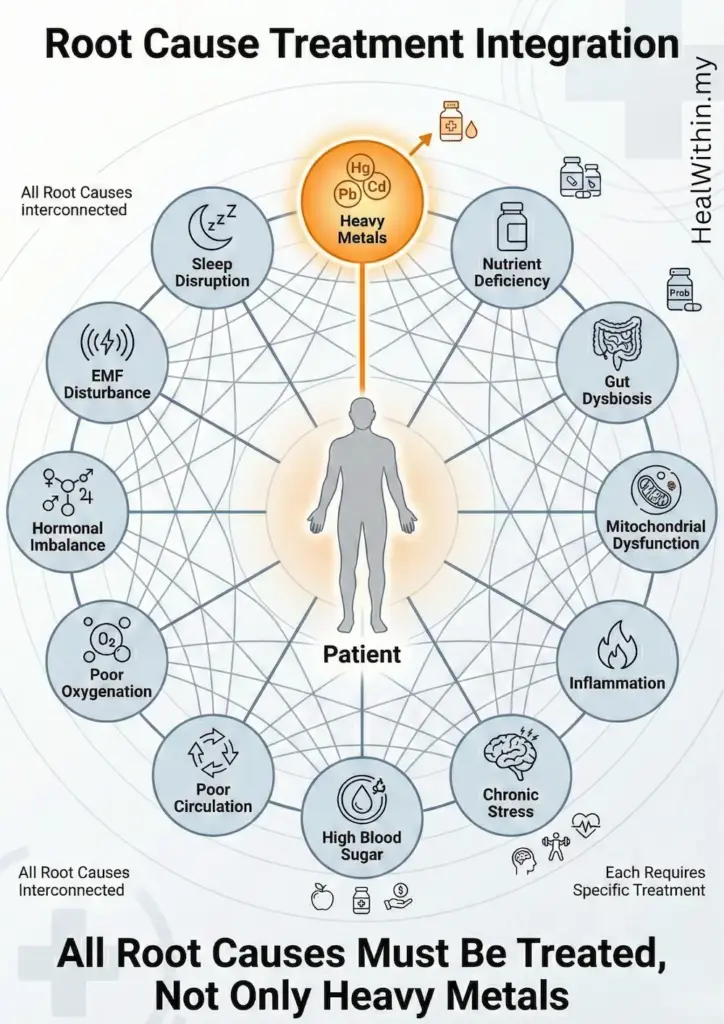
Heavy metal toxicity never exists in isolation—successful treatment requires addressing the complete root cause picture and supporting every organ system affected by your toxic burden.
CHELATION ADDRESSES JUST ONE ROOT CAUSE AMONG MANY
Metal detoxification alone cannot restore health when multiple underlying problems remain untreated:
- Heavy metals are one of twelve fundamental root causes: While toxic metals significantly contribute to chronic disease, they represent just one element in a comprehensive root cause framework that includes nutrient deficiency, poor oxygenation, mitochondrial dysfunction, gut dysbiosis, chronic stress, and others—each requiring specific treatment to achieve complete healing.
- Your metal toxicity created secondary damage: Years of heavy metal accumulation disrupted your hormone balance, damaged your mitochondrial energy production, created systemic inflammation, compromised immunity, and triggered various organ dysfunctions—chelation removes the metals but cannot immediately reverse all downstream consequences without targeted support.
- Multiple root causes require integrated protocols: Most chronic disease patients present with several simultaneous root causes—high blood sugar plus metal toxicity plus nutrient depletion plus gut problems—requiring strategic combination of therapies working synergistically rather than chelation alone.
SUPPORTING ELIMINATION ORGANS ACCELERATES RECOVERY
Strengthening the systems responsible for metal excretion maximizes treatment effectiveness:
- Liver enhancement for metal conjugation: IV glutathione, nutrient cofactors, herbal hepatoprotectants, and specific supplements optimize your liver’s ability to process mobilized metals, convert them to water-soluble forms, and package them for elimination through bile and urine.
- Kidney optimization for toxic excretion: Hydration protocols, kidney-supportive botanicals, mineral balance correction, and periodic monitoring maintain optimal renal filtration capacity to safely eliminate mobilized metals without accumulation or organ stress that would force treatment delays.
- Gut and lymphatic pathway activation: Binders like chlorella and activated charcoal capture metals in digestive tract, fiber ensures regular elimination preventing reabsorption, lymphatic drainage techniques mobilize tissue-stored toxins, and gut barrier healing prevents metal recirculation from intestines back into bloodstream.
RESTORING ORGAN FUNCTION REQUIRES COMPREHENSIVE SUPPORT
Metal removal creates the opportunity for healing—but recovery demands active restoration protocols:
- Mitochondrial repair reverses energy dysfunction: Metals severely damage cellular energy production—targeted coenzyme Q10, PQQ, B vitamins, magnesium, and alpha-lipoic acid restore mitochondrial function, reversing the profound fatigue and metabolic problems caused by years of metal-induced energy impairment.
- Neurological healing addresses metal damage: Brain and nerve tissue where metals accumulated require specific support—omega-3 fatty acids, phospholipids, methylation cofactors, and neuroprotective nutrients facilitate myelin repair, neurotransmitter restoration, and cognitive function recovery following metal elimination.
- Immune rebalancing corrects metal-induced dysfunction: Heavy metals suppress and dysregulate immunity—vitamin D optimization, zinc repletion, probiotic therapy, anti-inflammatory protocols, and immune-modulating nutrients restore your body’s defense capacity, reducing autoimmunity and infection susceptibility that developed during toxic accumulation.
Summary and Conclusion
Targeted chelation therapy represents a fundamental shift from generic protocols to precision medicine—recognizing that your unique metal burden, detoxification capacity, and health status demand individualized treatment. The key principles include:
- Comprehensive assessment reveals your specific burden: Provoked testing identifies your exact metal profile, burden severity, and elimination capacity rather than assuming every patient needs identical treatment.
- Personalized protocols match treatment to your metals: Metal-specific chelator selection, optimized administration routes, and precision dosing calibrated to your elimination threshold maximize effectiveness while preventing treatment failure and detox crisis.
- Strategic protection prevents complications: Graduated mobilization protocols, mineral replacement strategies, and comprehensive organ support maintain safety throughout the detoxification process.
- Integration with whole-body restoration achieves complete healing: Chelation addresses metal toxicity as one root cause within a comprehensive treatment framework that restores all affected organ systems and corrects multiple underlying problems simultaneously.
Generic chelation protocols persist because they’re simple to administer—but simplicity fails when treating complex chronic disease rooted in years of toxic accumulation. Your metal burden is as unique as your fingerprint, demanding assessment and treatment precision that honors your individual biochemistry rather than forcing you into predetermined protocols.
If you’re experiencing symptoms suggesting heavy metal toxicity or have already attempted generic chelation without lasting results, Heal Within’s targeted integrated approach provides the comprehensive assessment and personalized treatment necessary for safe, effective metal elimination and complete recovery.